As good as the Adikt cartridge from Linn is, I wanted more. Also, the Adikt on my LP12 had done some serious hours and I wanted to experiment. The VM530 from Audio Technica is a cartridge I am familiar with having fitted them to various turntables since it’s release a couple of years ago. I had not previously fitted this AT cartridge to a Linn LP12 and was keen to hear the outcome.
Mounting a VM series AT cart can be fiddly
In Australia, the VM530 appears to be only sold attached to a standard fitment headshell. It has a slightly different model number when sold this way – VM530EN/H. For $399, you therefore end up with a headshell you don’t require when bolting it too a Linn Akito arm, or any arm with a non removeable headshell. This is perhaps a mild miss-judgement by the importers, as a premium cartridge such as the VM530 is generally going to be bolted to a premium quality arm (which generally has a fixed headshell). Being effectively bolted down into it’s box does make for a safer passage to the owner, I guess. Audio Technica have done a very nice job of the packaging overall.
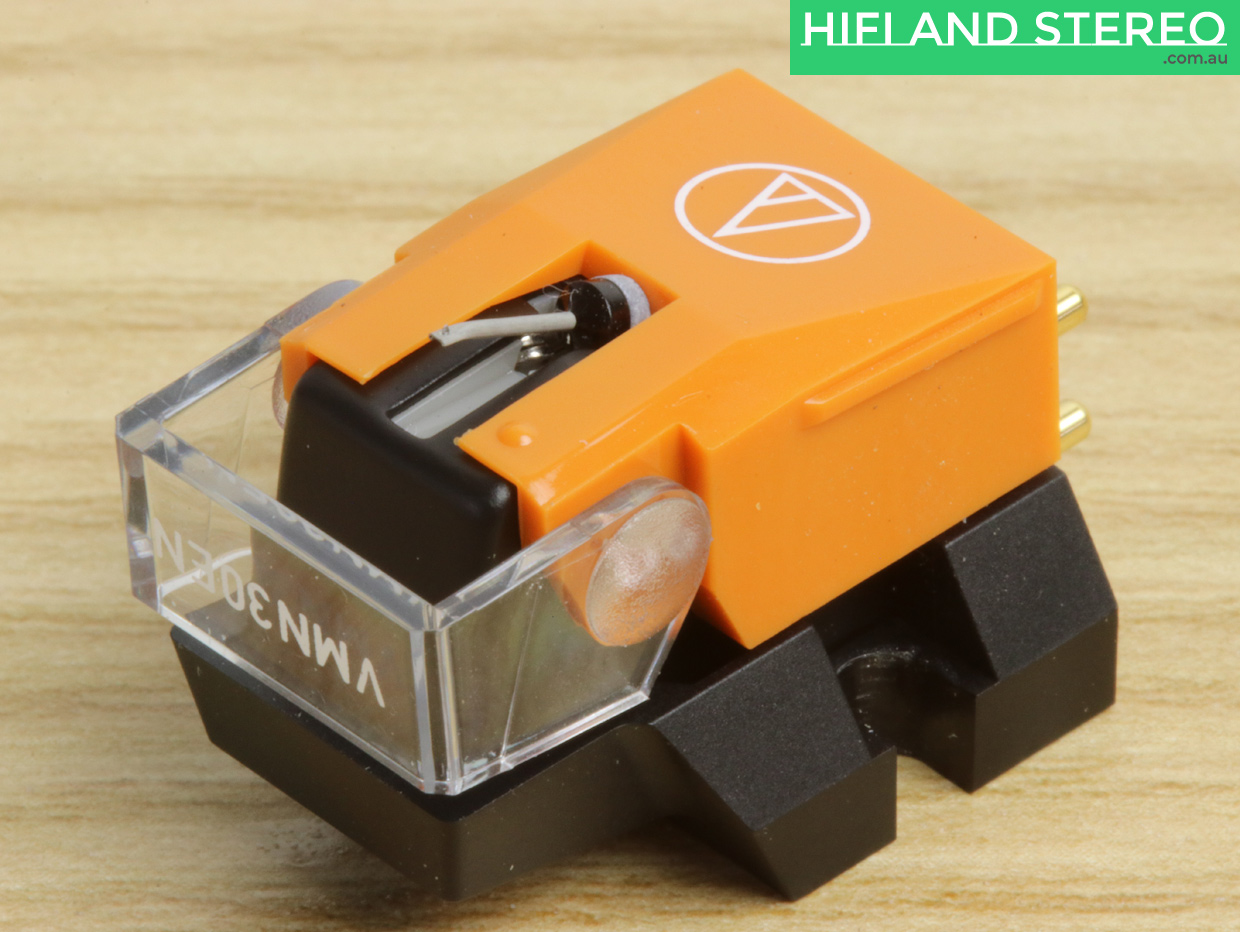
VM530 Audio Technica cartridge mounted in its packaging
I unscrewed the new cart from what is actually a rather good quality headshell and attached it to my Linn Akito (original ‘version one’ arm as far as I can tell). I suggest, when fitting a VM500 series Audio Technica, that you remove the stylus from the cartridge body. I am not sure it is possible to easily mount the cartridge with the bolts facing down in the traditional way without a special tool. You will need something to grab the nuts mostly hidden in the boltway moulding of the cartridge body. I, as per the photos, faced the bolts up with the heads down and the threads proud of the top of the headshell, making it easy to grab the nuts with pliers.
VM530 Audio Technica cartridge fitted to supplied headshell
No matter which way you orientate the nuts and bolts though, removing the stylus makes the job way easier and safer for the stylus tip and cantilever. The stylus assembly pulls straight off ie. straight down if it is already mounted on an arm. Once the VM530 was carefully aligned, tracking weight set and the anti-skating force tweaked, it was time for an audition.
VM530 Audio Technica cartridge doing what it does best!
The sound?
Immediately I was taken with the bass performance of the VM530. It was incredibly taught and had a real thwack about it. The midrange offered a surprising sweetness coupled with real detail. This extra detail, over and above a more average cartridge did not come at the cost of being bright or brittle sounding at all. Overall, I would suggest the VM530 is in fact, a quite neutral sounding gadget. It is maybe very slightly north of neutral, but wow, it’s pretty damned exciting to listen to (hence I can happily live with this slight colouration).
A real lack of stress and strain was noted with complex pieces of music played back with this Audio Technica cartridge
Difficult tracks that I sometimes don’t really want to listen to were reproduced with real control. As an example, Rickie Lee Jones’, ‘The Returns’ (from her Pirates album) delicate stereo imagery and fine details are beautifully played back. Even when things get heated, and the groove widens, the control remains. A real lack of stress and strain was noted with complex pieces of music played back with this Audio Technica cartridge. This improved clarity made tracks like the RLJ tune much more enjoyable to listen to. Interestingly, it is the last track on the album and inner groove distortion should be making things messier, but it didn’t seem to. Notch that up as potentially another positive for the AT 530. I also appreciated the lack of ‘HiFi sheen’ this cartridge offered. Even if it is very slightly brighter than truly neutral, it sounds incredibly ‘natural’ doing it.
Sum up.
I enjoyed this cartridge quite a bit more than the old Adikt it replaced. The Adikt though, was getting on in years so I am not sure what part this plays in the comparison. One thing is for sure, the VM530 is an exciting, clean and detailed sounding cartridge that I can highly recommend! It was obviously at home on the Linn LP12 and so as it turns out, they are a great match!. Happy listening.
For – Quite beautiful, exciting sound
For – Lacks almost any fake HiFi-sheen or colouration
For – Obviously high quality manufacturing
For – Made in Japan – If that is important to you.
For – Upgradeability to a VM540 Microline stylus is possible
For – Doesn’t make a mess of the last track or two (inner groove distortion)
Against – The VM500 series are not the easiest cartridge to fit
Against – Nothing else at all
Tracking weight used during this review – 2 grammes
Who the hell is Audio Technica – Don’t they just make cheapy turntables?
For anyone just getting into turntables and records, it is possible to believe just this – that AT mostly make record players that sell cheaply in mass merchants. This is a shame, as Audio Technica has a very long history of making very high quality transducers in Japan, primarily headphones, microphones and phono cartridges. A transducer is a device that converts one form of energy into another. A phono cartridge turns movement of its cantilever and accompanying magnets (by wobbling it around in a groove on a record) into an electrical waveform across its coils. Audio Technica have been doing this since the early 60’s, mostly in their own plant in Japan. It is only in quite recent times that they have offered a range of occasionally mediocre turntables to the market. These are generally made in China by sub-contracting manufacturers. Their phono cartridge range has always been made in-house, until the recently released VM95 range of entry level cartridges. All models above the VM95 range including the model from the VM500 range reviewed here are still manufactured in their own facility in Japan. The VM95 range is manufactured in China. I am not sure whether they have set up their own plant there or subcontracting them out. Either way the VM95 range appears well made and sounds very good too.
In a world where some would say political correctness has gone too far, finding those who speak their mind is getting tough.
‘Characters’ as they can be sometimes described, are becoming thinner on the ground by the day. Unfortunately, we have lost another of those who say it as they see it. Tim was a great man who I would not only describe as a ‘character’ but also a gentleman of incredible general knowledge and intellect. He was a man learned not just in his area of expertise but in many other realms. He had his quirks, which I enjoyed, particularly when the dull corporate types seem to be taking over. It wasn’t just me who enjoyed his ‘character’, either.
When Tim De Paravicini and his company EAR Yoshino displayed at the Munich High End Show the room would be bulging with visitors from the start to the finish.
The EAR display would always be one of the most popular at the show, on many a ‘must see’, ‘must hear’ list. People just came in and hung, out soaking up the warm, easy-to-listen-to, natural sound. If they were lucky, they might also receive a snippet of sage audio advice from the Baron.
It was really almost impossible to speak to the man at Munich. I managed it briefly once for a few minutes, just long enough to confirm a visit previously arranged, to his and Oliva’s factory the following week. He seemed enthusiastic at the prospect and threw on his best twangy ‘Orstraylyan’ accent for a few words as Oliva dragged him away to the waiting throng back at the room.
A typical scene in the EAR Yoshino room at Munich High End
I visited the room again later in the day hoping that it wouldn’t be quite so full. Alas, there were probably 50 people crammed in there, all sweating a little more than was perhaps polite. Tim sipped occasionally from a beer secreted in his jacket pocket whilst answering endless questions from the hoards. They seemingly looked up to him as some kind of audio messiah. I had seen this scene on visits in previous years, but this year the following appeared to be growing.
EAR Yoshino turntable designed by Tim De Paravicini
He wasn’t prone to changing his position on subjects close to his heart.
He had strong opinions on all sorts of things related to his main interests of cars, planes and of course audio. The range of models available from EAR reflected this, at least that’s the way it appeared to me. It seems that EAR only changed something in the design of an amplifier because of a lack of parts availability. I can imagine Tim saying “They were designed properly the first time. They don’t need revision”. With his incredibly long career in the design of amplifiers it is probable that he did know pretty much all the ins and outs of designing a perfect circuit. I admire him either way for sticking to his guns and avoiding change driven only by the marketing department.
Tim at the EAR factory in St Neots
My visit the following week to the factory in St Neots near Cambridge started the way a lot of UK factory visits start. First you have to find the place…
It’s such a very British thing to do, you know, hide your factory. In Australia there would be a billboard sized sign indicating the existence of the factory and a giant arrow pointing the way to the front door. In the UK there is usually a small ‘plaque’ (or A4 sheet of paper as per one factory I visited years ago) subtly indicating what’s going on inside an otherwise featureless industrial unit. EAR is no different, with the smallest of signs (when I visited), but inside there is some serious stuff going on. Tim was incredibly generous with his time that day. He spoke endlessly of all aspects of the manufacturing process but also of his life and things he had done.
Tim had a hand in most things at EAR Yoshino
I did a lot of listening that day, a day that ended long after the staff had gone home.
I couldn’t possibly absorb even a small percentage of what he had to say. Facts came thick and fast with an enthusiasm I found stunning. He was particularly happy to talk about how much of the insides of an EAR amp are made locally or in-house. It seemed to me that bar a handful of caps, resistors and tubes, everything was made within a 5 mile radius of the factory I was standing in. He mentioned his work with David Gilmour of Pink Floyd, and the method employed to gain access to the studio Dave has on a boat. Tim was clearly pleased that he could appear at the security camera of Mr Gilmour’s tunnel access to his floating studio, and be let straight in. He spoke of his time spent in Australia in the 70s. I suggested it had changed a bit since then. He detailed where he had worked, in the middle of nowhere. “In that case”, I said, “It probably hasn’t changed…”
Tim De Paravicini at EAR Yoshino discussing locally made parts.
We exited the building and said our goodbyes, then immediately started a conversation about cars.
Another 20 minutes zipped past. Again, I wondered at Tim’s incredible general all-round knowledge. He suggested he should get home though, and considering it was now close to 9pm, I agreed. I thanked him again for his time, shook his hand once more and we both drove off into the dimming light of the evening. On my 45 minute drive back to my hotel I pondered the man, his life and whether I would have the pleasure of chatting again. I’m not sure why I had this thought. I had no knowledge of his personal health issues. I now of course feel even more privileged to have enjoyed so much time in his company. No doubt everyone who has spent time with him over his many years in the business feels the same way.
Rest in Peace Tim De Paravicini – king of tube design and general knowledge.
Click on any image above and peruse the gallery for High Resolution images.
At first glance it may seem that the new 2510 from Exposure is just a 2010 with a couple of features removed. The 2010 had an optional plug-in phono module arrangement for either MM or MC depending on your requirements. The 2510 has a ‘fixed’ inbuilt MM only phono stage with no upgradability. This could in fact seem like a downgrade from what went before. However, it isn’t as this new model from Exposure Electronics has been refined in a number of key areas. Judging by what I heard during this review there is definitely more to it than some phono input tweaks and the the swapping of a ‘0’ for a ‘5’ on the model number. Please read on…
Before I get to what I found inside, lets talk about the 2010 model further, and Exposure in general. For those not familiar with Exposure Electronics the brand, it has been around as long as Naim (established in 1974) but clearly is not as well known. Also like Naim, it’s based in the UK and still manufactures in its own facility. In Exposure’s case, the factory is on the south coast near Worthing. In fact, it is just one kilometre as the crow flies from the Bowers and Wilkins factory. Oh, and in a further ode to British high fidelity history, they are located on Chartwell Road. Where the two brands diverge is Naim is a household name (in at least music loving families) and Exposure is generally not. Except for the folk who are members of the cult-like Exposure Fan Club, which actually has more members than you might expect.
The 2510 effectively replaces the 2010, which has long been a a popular and affordable model in the Exposure range. The 2010 has been around for perhaps 20 years. It has provided an entry point to Exposure ownership for those looking for a step above run-of-the-mill. The 2010 generally sold for $2000 or less. The power output of the 2010 and the new 2510 are similar at around 75 watts per channel into 8 ohms. The 2010 has been both a Mosfet and Bipolar transistor output stage design. The 2510 retains the more recent bipolar discrete output design of the 2010.
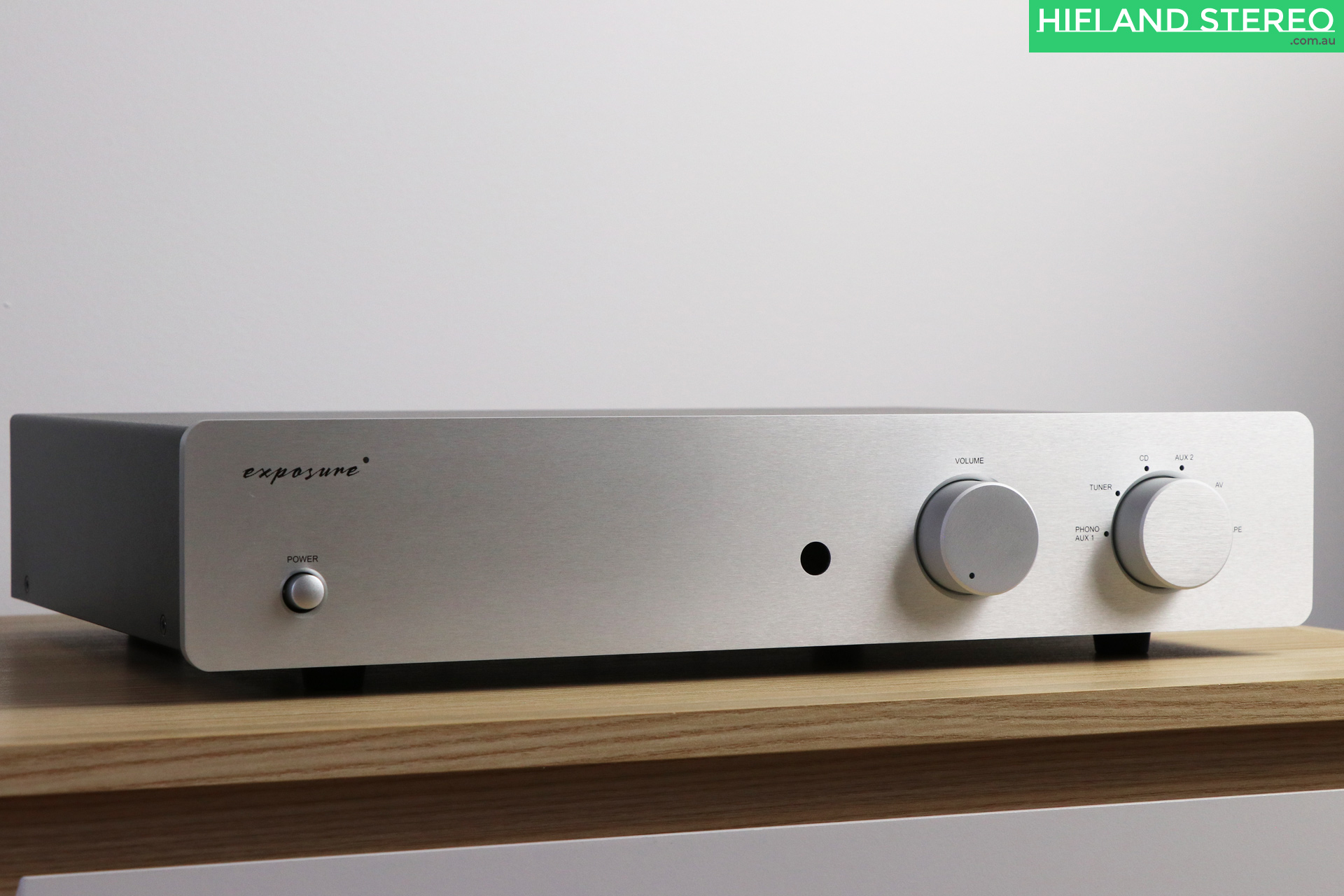
Exposure Electronics 2510. Available in Black or Titanium as pictured here.
I’m not sure who’s responsible for this lack of fame and familiarity for Exposure, because it certainly isn’t the fault of the product. Having had some exposure to Exposure (groan…) over the years my experience has always been positive in regard to ease of operation, reliability, sound quality and listening enjoyment.
The feature list of the 2510 is super simple. The front panel sports a volume control, input selector and a power switch. This makes it more highly featured than the Naim Nait which hides it’s power switch ’round the back. For the sake of luxury or laziness it also comes with a remote control (with many more buttons than would appear to be required). It, of course, has the previously mentioned MM phono stage. It also offers an AV bypass function (effectively turning it into a power amp), a tape out and a pre-amp output. So in reality the Exposure 2510 has everything you might need for a good old style analogue stereo system.
Clunk on clunk off power switch makes sure there is absolutely no stand by trickle current raising your power bills.
Under the hood – It has a good quality case of simple folded aluminium sheet construction, with an aluminium lid, and a fat slab of aluminium as a front panel. The lid is not ventilated in any way as the amp runs particularly cool. Having removed the lid for a peak inside, I discovered a further slab of aluminium under the circuit board with the output transistors screwed down to it. Together this slab of aluminium and the aluminium casework act as an excellent heatsink. There is no need for external heatsinking or convective cooling. Full marks for this as dust and salt air are not good for any electronics and a fully enclosed case largely solves this problem.
My recollection of the last time I had the lid off a 2010 (fitting a phono stage) was that there were plenty of premium components inside. Having said that, the 2510 may have taken the premium parts list to a new level. The 2510 premium bill of materials includes: Elna electrolytic capacitors; a mains transformer of toroidal design; and main filtering caps of European manufacture in the form of Kendeils. Even the bipolar output stage employs very high current Toshiba devices. The volume level is controlled by an Alps Blue Velvet motorised pot. This impressive parts list is a great start in the quest for quality sound and is certainly likely to help with longevity. It is worth mentioning that having these kinds of quality components inside an amp at this price is unusual.
Elna Elna everywhere. They shouldn’t stop or blow their top.
A few other observations of the general design would include: (a) no obvious unnecessary over-engineering of the circuit (b) no speaker output relay (see tech notes in green below) (c) the speaker terminals are of the banana socket variety (d) input switching is via microprocessor controlled relays. Everything has a nice feel to it. Yes, it lacks visual ‘edge’. However I’m guessing money not spent on industrial designers and fancy casework has instead been spent inside. This no doubt helps with the real reason amplifiers exist – to make sweet music !
Banana sockets only for speaker connections. I suppose it forces some to fit connectors to their cables but others will be annoyed at no binding posts…
And the sound ! – My first thought whenever I listen to an Exposure product is just how damned neutral they generally are. This is definitely the case with the 2510, unlike some amps that have a definite ‘colour’. Initially it’s slightly disarming…it just does everything sort of really well. It’s annoying because as a reviewer you can’t grab any one aspect of performance and carry on about it. For instance, the overall sound is very clean, smooth, and obviously fully extended at both ends of the spectrum. There is little grit or grain, and maybe its even a smidge ‘sweet’. The old “straight wire with gain” comes to mind. Stereo-wise, it’s big and wide, there is plenty of detail and it’s very fast. Although, I reckon it takes a few minutes to adjust to this lack of colour. In the end, 20 minutes in and I’m loving it, playing all sorts of things and enjoying the music.
I played Yello’s ‘30,000 days’ which had a huge stage. The finest of subtleties were delicately handled AND with a pace not always heard. It’s exciting! There is a real finesse about the way this amplifier reproduces percussion. The 2510 avoids sounding thrashy and trashy and yet offers up what feels like all the detail in the recording. The bass is extended and may be just a touch ‘full’ but in balance with the way the rest of the spectrum is reproduced. I like it a lot!
The Exposure 2510 only contains what is required to amplify the signal. No unnecessary engineering fireworks going on here.
Calling up Jeff Becks ‘Live at Ronnie Scott’s’ and the track ‘Cause we’ve ended as lovers’ the bass solo (and what a solo) from Tal Wilkenfeld is wondrous. The Exposure allows us to hear more of what she is doing than many amplifiers. The 2510 also opens up this slightly closed-in sounding recording without a hint of hardness or undue sizzle.
I listened to dozens of tracks before realising I should actually note a few things down and scratch together this review. I guess that is the test and it passed. If you forget what you are doing and just start to listen to music – job done. I have heard plenty of products where I would just like to turn it off. Not so in this case.
The negatives? Well it’s not really a negative but it doesn’t punch extra hard in the lower octaves and it doesn’t have the apparent ‘grip’ of a huge amp or that Naim ‘snap’. It swaps that kind of grip for a reassuring warmth which is again in balance with the rest of the amplifier’s attributes. This attribute meshes nicely with its character in other areas.
No cutting of corners with component selection including mains toroidal transformer.
Amplifiers do all indeed sound slightly different. Their character varies for generally obvious reasons such as the output devices being of one type or another. Or perhaps the outright power or damping factor might offer more control over the movement of your speakers bass units etc. In this case, I think the Exposure sounds the way it sounds simply because it has the bare minimum of stuff in between the input and output sockets. Just enough ‘doins’ to make the waveform bigger and allow the loudspeakers to sink some current. That’s that. I don’t think there is much more to it. I love simple reliable things that are enjoyable to use, and very enjoyable to listen to. Hence I did rather like the 2010 that went before. I rather prefer this incantation though as it sounds a bit bigger and even more charming.
If you just want to plug in an outboard streamer, CD player or turntable, connect speakers and do some listening the 2510 is perfect. Bluetooth, an app to control it and a 5 inch display are not available options.
The 2510 is for those who value sound quality above a long feature list. If this is you, then you should definitely take a close look at this new integrated amplifier from Exposure Electronics. Very Highly Recommended! Happy listening!
Click on any image above and peruse the gallery for High Resolution images.
For – A genuinely good sounding amplifier. Incredibly transparent, clean and enjoyable to listen to.
For – First class build quality and components at the price.
For – Built in the UK if that is important to you.
For – Simple to use, and a couple of useful extras such as AV mode and pre amp outs. Not always available on this type of amp.
For – Sealed casework makes damage from salt air unlikely.
For – It runs cool and includes premium quality components inside making a long life very likely.
Against – The remote control appears to be a bit of an after thought but it does what it needs to do well with the volume control operating smoothly and enabling small changes in level easily.
Against – A proper detailed manual would be nice although the quick start manual is one of the better ones out there.
Against – Some won’t like the banana socket/plug only speaker connections.
Against – Nothing else – there is a lot to like here!
Note 1 – I did briefly listen to the inbuilt Moving Magnet phono stage but not in enough detail to comment here on its competency. The turntable I had on hand was not appropriate for the task. I will take a proper listen to it in the future if the opportunity arises and report back here.
Note 2 – This amplifier is also available in Black finish.
Dimensions – 440mm Wide x 93mm High (including feet) x 330mm Deep (inc knobs on front and sockets on rear)
To speaker relay or not to? Most readers will be familiar with the small click of a relay you hear 5 – 15 seconds after you switch on your amplifier. This is the speaker relay or DC protection relay clicking in. It takes a few seconds because the output stages’ DC conditions have to settle first. These relays are both a good and a bad thing. Lets talk about the bad first. They are very easily damaged by switching the amp on while the volume control is turned up and signal playing. In other words, if music of considerable volume emanates from your speakers at the same time as the click is heard you have just arced over your relay contacts to some degree. Do this a few times and the contact quality of the relay is now that of two rusty nails rubbing together. Naim, Exposure, some Cyrus models (from memory) and a handful of other predominately UK based manufacturers avoid this problem with a simple solution. The solution is incredibly obvious – just don’t fit a relay! The catch of course, is this initial start up DC offset which causes a bit of a thump through your speakers. One could assume this could be dangerous to your speakers but in a lifetime of fixing quality HiFi I haven’t had a speaker brought in to repair that suffered from the ill effects of an occasional thump. 12 hour parties yes! Teenagers left to their own devices while the stereo-system-owning parents were away for the weekend, yes! These circumstances I have seen damage from but not a little brief DC offset dissipated rapidly though the bass drivers voice coil. So the good part of fitting a relay is ? Well the amp switches on silently which is ‘nice’ and the relay offers some protection against speaker damage if the output stage fails catastrophically. Read the next column for why that is fairly unlikely and how Exposure have dealt with the thump issue.
What does Exposure do differently? I honestly don’t quite know what they do but I can assure you they do not run the output of the power amplifier through a relay. Yes, there is a relay that clicks on sometime after you push in the main power switch. This lights up the front panel (with 2 blue LEDs) and unmutes the inputs but does not switch the output. “So, there is a thump through the speakers” I can almost hear you ask. “Ah, no there isn’t”, I respond. Repeated switching on and off does cause the tiniest of noises through the speakers at the instant you hit the power button but under normal use it is dead quiet. My guess is they have very carefully tweaked the circuit so as the main power rails come up to their full voltage, the DC offset is ‘servoed’ to more or less zero. A very smart move on Exposure’s part considering the thump that accompanies a Naim switch on (not that bad, but it’s there). There is another issue of course with any relayless power amp. What if the amp blows itself up and a full rail DC offset appears at the output? You guessed it, this is very bad and would need to involve an immediate switch off of the amp to avoid destruction of the bass drivers. How likely is this? I have never seen a quality amplifier destroy itself. The ones I have repaired (and there have been quite a few over many years) always have a back story that involves dodgy speaker cable, shorting the amp out or some reason or another as to why the amp has cried enough! Make sure your wiring is secure and of quality and you will not have an issue.
How to maximise the Exposures sound quality. Crack open a beer of course. I didn’t have anything from the south coast of England on hand so instead I poured the contents of a Bubble and Squeak New England India Pale Ale by Sauce Brewing into a pre cooled glass. Damn! Huge mouthfeel, a fair bit of malt up front and then a great clod of hops (seemingly dry hopped) in the aftertaste. For a 6.5% it tastes/feels more like an 8%. Very nicely balanced. Not the last word in complexity though. There are many who stamp their tins NEIPA but some seem to forget to put enough ingredients in the brew. Not this one. A very satisfying and far too easy to drink big beer. Highly recommended !!
Make your listen to the new Exposure 2510 integrated even better by cracking open one of these – Sauce Brewing, Bubble and Squeak.
“Argh, the old LS3/5A?” I hear you say. “The most over-rated, most re-created, old clunker of a speaker ever!” I understand if you are a little tired of the multiple versions, revisions, re-creations and in turn all the articles proclaiming their brilliance. Well, here we go again, but with a twist (some facts, less nostalgia).
For those not around at the time of these speakers being a current model (70’s and early 80’s), speakers of the day mostly sounded incredibly coloured and probably a bit ‘harsh’. Back then I could not find a loudspeaker that actually reproduced human voice in a way that sounded anywhere near as sweet and accurate as a live singer does. Well, not until (you guessed it) I was exposed to the LS3/5A. I loved the midrange of those Chartwells and Rogers. At the time they were so far ahead of the alternatives they really were, a game changer.
I didn’t buy a pair back then for a couple of reasons. (1) Because they didn’t play loudly enough or deeply enough for my (then) teenage tastes in recorded music reproduction and (2) They cost ten times my (then) weekly income! Recently, Falcon Acoustics have given us all a second chance to buy a brand new pair. Their considerable effort to recreate the LS3/5A exactly as it was made in the 70’s and make them available brand new, has allowed us to judge the LS3/5A in the harsh light of 2020.
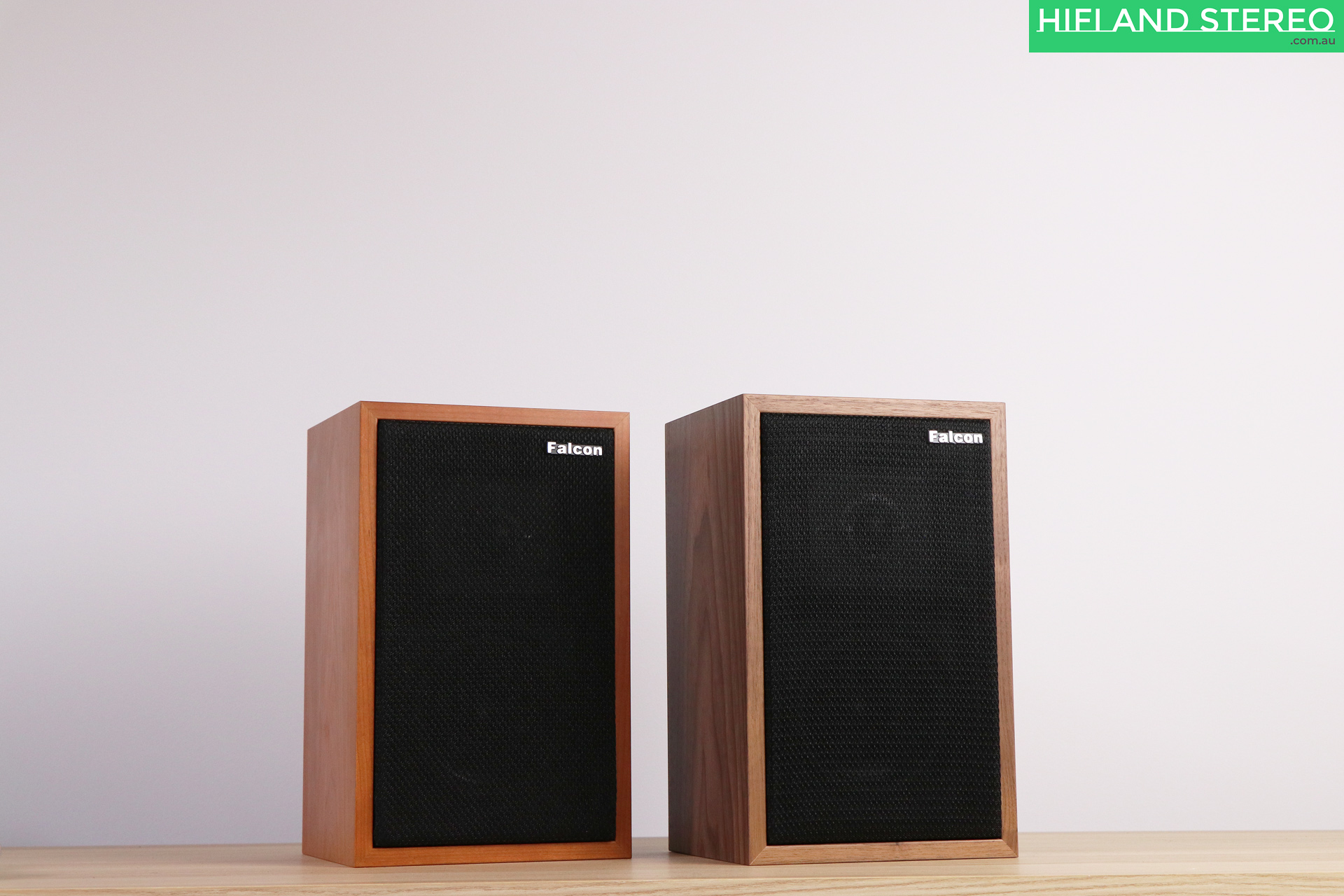
Falcon Acoustics Original and Gold Badge LS3/5A. They look the same from here!
In my role as a technician a few pairs of different versions of LS3/5A have passed over my repair bench in the last few decades. I always enjoyed the final testing part of the job, where I got to re-visit my youth with their particular tonal viewpoint. I now forgive them their lack of huge bass and inability to fill a large room. Due to their age (20 – 30 years) I also forgive a slight lethargy in their output. Dynamics were muted, the sharp edges rubbed off and generally excitement levels were a bit subdued, I thought.
“When I first turned a new pair of Falcons on, fresh from the carton and not run in, I was immediately taken back to my early years of HiFi discovery. The flashback was completely bizarre.”
When the day came to hear a brand new pair of what surely is the closest re-creation of this tiny BBC designed monitor, I was concerned. Had my old brain been playing tricks with my memory of these wonderful little performers? Was I to be terribly disappointed? Sure, the old ones I had made repairs on had enormous charm, but my memory suggested they did lack some detail and dynamics compared to new (as mentioned above). It turns out my memory was smack on. When I first turned a new pair of Falcons on, fresh from the carton and not run in, I was immediately taken back to my early years of HiFi discovery. The flashback was completely bizarre. Like an old familiar smell or snippet of a song from the past can transport you, I was transported. This ability is perhaps part of my soft spot for them. I also appreciate the engineering purity of the design and the fact that they were a new bench mark in midrange reproduction accuracy. The LS3/5A also offer a different presentation to more modern loudspeakers. The bottom line is, I’m glad Falcon made the effort. Having now bought a pair some 40 years later I have been enjoying them on a regular basis and loving their particular presentation. They offer an emotional connection to the musical performance in spades.
No differences to be found here…
Now, to the improvements Falcon feel they have made with the revised version, the ‘Gold Badge’.
Falcon suggests 99% of the improvements are in the crossover execution. My initial thoughts were that they sound rather similar if not a tad more brightly lit above 2 – 3khz. I put this down to running in being required and set about playing them as much as I could over the next 10 days. In that time, they clock perhaps 40 hours but not always at particularly high playback levels. During this time, I listen to them intermittently and keep coming up with the same thought. The Gold Badges are a bit brighter and maybe lack the very, very slight nasal character of my originals. This very subtle flaw rarely shows itself but is the thing that I occasionally find distracting with the Falcon original spec. I was bemused that it wasn’t apparent on these new loudspeakers. I was very interested to see whether there is more at play than a tweak of component type in the crossover.
“The time had now come for a serious listen. They were not fully run in but then neither were my originals. The GBs now had 50 odd hours and my originals perhaps 100 hours. Not the same, but I had noticed little shift in the balance of the Gold Badges during those 50 first hours…”
After a cursory look they are exactly the same on the outside (bar the sticker on the rear). A peek under the grille and nope, no changes there either. A handful of screws later, and the Gold Badge spec crossover is revealed. Indeed, it would appear that the crossover is the only change between the two versions… Interesting.
The time had now come for a serious listen. They were not fully run in but then neither were my originals. The GBs now had 50 odd hours and my originals perhaps 100 hours. Not the same, but I had noticed little shift in the balance of the Gold Badges during those 50 first hours so felt safe in being able to make a fair and useful comparison. I took a quick listen again to a few tracks I had enjoyed very much on the LS3/5A GB version. I loaded up ‘Luka’ by Suzanne Vega’s (from ‘An Evening of New York Songs and Stories’); ‘El Floridita’ from Don Grusin’s ‘The Hang’; and ‘Mercury’ from Mark Gillespie’s album ‘Only Human’. Then I switched to the original version loudspeakers… Sheesh! That was not what I expected. My ear must have gotten used to the balance of the GBs as the originals now sounded very mildly sucked out in their presence region. They were just not as exciting or interesting as the GBs or at least how I remembered them. Concerned that maybe I hadn’t matched the volumes I tried the test again taking careful note of levels. The display on the Star said ’67’, so a decent listening listening level but not enough to have the neighbours rushing to call the cops. Now with the levels definitely the same, I remained considerably more excited by the output of the new version. I then went off and did something else, not entirely sure why two BBC licensed designs should sound so different over at least half of their output spectrum.
There is a difference here but I’m guessing the colour of the sticker isn’t making much of a difference to the sound…
I came back to them again some days later having played the Gold Badge versions some more and louder. I still wondered whether the differences between the two were partly run-in related… This time I re-tried the previous music choices but also quite a few others. Running through Donald Fagen’s ‘Nightfly’ along with the (rather demanding) Rickie Lee Jones and a few tracks off ‘Balm in Gilead’. There was no doubting that the new Gold Badge LS3/5A from Falcon had a smoother response from 1Khz and above and generally has a little more output up top overall. At least, that’s the way it sounded to me. The result was an apparent improvement in detail and listening excitement. All I could say was… Wow! This is not the outcome I expected at all. I imagined a subtle difference and one that maybe I wouldn’t even consider a definite ‘improvement’.
“I made a quite a few measurements of both at the same nearfield position. I’ll admit using a quick and dirty method (an iPhone and an audio measurement app with RTA functionality). Nonetheless, I was comparing one speaker against another, so any kind of state of the art accuracy wasn’t required, just some consistency. With many measurements taken, they all showed the same trend….”
Later still and I wanted to put the ‘run-in’ question to bed. I kept playing my potential new purchases in the hope of a ‘settling’ of the mid and high response. Nope, still no change some 15-20 hours further on. I thought that I would measure the difference and confirm that I am not hearing things just because I wanted some new toys. I present the attached chart showing a distinctly smoother mid and top with quite a bit more output at various higher frequency bands. These charts would appear to back up my listening tests. I made a quite a few measurements of both at the same nearfield position. I’ll admit using a quick and dirty method (an iPhone and an audio measurement app with RTA functionality). Nonetheless, I was comparing one speaker against another, so any kind of state of the art accuracy wasn’t required, just some consistency. With many measurements taken, they all showed the same trend.
Quick and dirty maybe but this RTA output of both designs backs up what I heard.
So, to wrap up there is a significant improvement, and one I am pretty sure is going to involve the sale of my original Falcon LS3/5A and procurement of a fresh pair with Gold Badge specification… I have to say (as many have) that it is surprising that a BBC licensed design can sound quite different from one version to another. There is a clue here for budding LS3/5A purchasers. You are going to have to try to listen to the version you hanker after before laying down the cash. If this is the difference between two Falcon versions, then I wonder at the breadth of difference between the 4 or 5 other ‘versions’ of this monitoring legend. No wonder those who love the old ones from the 70’s and 80’s have their favourites. If you have the original Falcons but fancy a bit more air, sweetness and detail you are going to need to check these out.
Here is where the difference lies. I’ve been saying for years that the crossover is where the magic happens when it comes to loudspeaker design !
Oh, and one other thing. All this LS3/5A listening did remind me of another part of the whole LS3/5A love affair for some. These speakers don’t force a personality onto the recordings. Well, that’s not quite true in the sense of deep and weighty bass and the ability to have some slam like a real live performance. HOWEVER, what they don’t do (in my opinion) is add unnecessary ‘HiFi’ colour or a sheen of some sort to everything played through them. You do get a feeling of being closer to what the folk in the control room were listening to that day when twiddling the knobs and hitting the record button. These speakers allow one to more easily understand what the music makers were wanting you to hear. Sometimes modern loudspeakers’ own character (a character of perfection?) is sometimes what you are hearing, as much as the music or recording. At least that’s how it strikes me and is, as I say, another reason I think these ‘old clunkers’ have such a fan base. Happy listening!
Click on any image above and peruse the gallery for High Resolution images.
For – Being very nicely crafted in the UK, from solely European sourced premium components.
For – An ability to have singers standing in your actual room!
For – Some would say the only real LS3/5A, as its the only one employing proper KEF drive units. Of course, the drivers are not actually made by KEF but are Falcon recreations of the original T27 and B110.
Against – Not only were they designed in the 70’s they look like it… That grille cloth!
Against – In reality it is the midrange and the top end that is magical. The low end and overall sensitivity is bested by most modern small bookshelf loudspeakers.
Dimensions – 305mm high x 190mm wide x 165mm deep (excluding terminals and slightly proud grille frame/cloth).
RRP – $4499 per pair for standard real wood veneers.
What about the bass? – Falcon also suggest in their press regarding the GB that they have made (via the crossover) improvements in power handling and bass control and extension. They may well have, but unlike the changes in midrange balance, I couldn’t detect them. I could still run out of headroom fairly easily by wanting more of what is a really good thing. This is particularly the case on material with great gobs of bottom end. If there is an improvement (and I’m not saying there isn’t one) it is both subtle and doesn’t suddenly make the LS3/5A a full range loud loudspeaker.
To toe in or not to toe in? – Aficionados of the design tend to suggest and prefer a ‘straight down the room’ approach to positioning. I tend to agree. Well, at least I have agreed up until now. One reason for having them fire down the room is that they sound more even around 1 to 2 Khz listened to off axis. However, now the response has been improved in this area and the midrange in general. Surely, there is some room for tweaking the toe in to optimise the always stunningly good imaging of this loudspeaker. Feel free to experiment and report back in the comments section.
For maximum enjoyment while listening after 5pm … A short and enjoyable drive North West of Oxford (where Falcon Acoustics is based) is the village of Hook Norton. This village is made even more interesting by the decision of the Hook Norton Brewery owners to set up there in the year dot (18?? from memory). Today I’m enjoying the ‘Old Hooky’. Delightfully full bodied for a beer under 5 % ABV and almost ruby red in colour. When first poured, there is a dense head, but it dissipates fairly readily. The aroma is subdued consisting mainly of the perfume of ‘beer’, but with some caramel notes. Flavour is quite large with an obvious Christmas pudding tone. Raisins, and a definite bready goodness combined with adequate hop bitterness makes this beer superbly balanced. It’s incredibly easy to knock back in a sessional kind of way, making for a quick step to relaxed mode and in turn improving your stereo system performance from a solid 8 to an easy 9.5. Highly recommended, a solid 4.8 out of 5 for the beer.
Old Hooky by Hook Norton Brewery is a very enjoyable accompaniment to the sweet sounds of the Falcon Acoustics LS3/5A Gold Badge Edition.
A decent speaker stand at a sensible price is hard to come by. A good stand must be well constructed and perform the task of supporting the loudspeaker properly. Ideally, it should also be affordable AND good looking. Lets take a look at the Custom Design UK SQ402 to see how close it comes to fulfilling these criteria. I also test out the Custom Design UK supplied ‘inert filler’. This filler is a black, shiny, granular substance that looks more like it might collect at the base of an active volcano than be supplied as an accessory to a pair of speaker stands.
Custom Design UK manufacture all of their vast range of HiFi furniture in Newcastle in the UK and have been around for sometime. It’s probably best if I just let Paul Morton (the owner/manager) tell the story –
“My Dad loved his HiFi and when we were both made redundant from a local off-shore platform manufacturer we decided to set up our own business manufacturing speaker stands in the garage, back in 1986. Unfortunately my Dad, Fred Morton past away at 42 years old in 1987 which is when Irene (my Mum) and I took control of the business. Since then we have tried to manufacture the best quality HiFi products, for the best possible price with the service you can only receive from a family business, and I hope we have done that. 34 years later here we are. And I still love doing what we do.”
Custom Design have many models of both equipment racks and speaker stands. They use quality European sourced steel and timber to create all of their products. They have been rather successful and now export to nearly 40 countries across the globe.
I have met Paul a number of times at the Munich High End audio show. He is a great bloke, and shows an enthusiasm for the way they do things at Complete Design that you don’t always experience when speaking to manufacturers. The product under review here, the SQ402 is not a Custom Design product I am familiar with. Of course, when the Australian distributor, Alex Stuart of Audiofix asked whether I would like to try a pair, I jumped at the opportunity. With an RRP of $499 a pair, they seemed to be priced keenly for stands made in Europe. Alex also mentioned the filler material and suggested I give that a try to take any potential ‘ring’ out of the steel tube structure.
In my experience all Custom Design UK products are very well packed so they arrive in unmarked condition at their destination. The SQ402 was no exception with all the parts carefully packed in bubble wrap or in quality cardboard. Included is a rudimentary diagram and all the information you need for successful assembly. Also included in the kit of parts is two Allen wrenches to add to your collection. It would be hard to spend more than 30 minutes assembling the stands with only 2 bolts required at the top and 2 at the bottom of each stand. It doesn’t take long for the collection of 2D parts to quickly become a 3D assembly.
The contents of the SQ402 box unpacked and ready for assembly (funnel and knife not included).
Perhaps the only twist on this super simple assembly is the slightly weird ‘inert filler’. The suggestion in the instructions is to use a funnel to enable spill-free results transferring this inert filler from the bag to the 50mm square tube uprights. The funnel I had on hand was not going to cut it as per the picture. There isn’t a particularly large hole in the end of the upright tube to poke a funnel neck into. In the end, I summoned the dexterity to go “funneless” and poured the contents carefully (very carefully) straight from the bag into the end of the tube. Surprisingly little filled spilled this way and I note that what did spill didn’t stain the cream carpet.
Having successfully transferred one bag into the first tube I felt a quick rap test was in order. Wow!! What a change. I was so pleased with the result I didn’t feel anymore was required per tube. I made this quick recording below so you can hear the dramatic difference between a filled and empty upright tube.
Press play for the sound (or lack of sound) of the Custom Design UK Inert Filler.
Bag of volcanic looking substance that is in fact Custom Design Inert Filler
I then completed the assembly. The plated spikes, chrome dome nuts and upper and lower internal hex fixing screws all went together very easily. The threads in the uprights and base were all neatly cut causing no difficulty with starting or screwing in. I set up the Falcon LS3/5a Gold Badge versions atop them and started listening. A stand this inert (thanks to the black magic filler) and this stiff and light is bound to work. Sure enough, in my opinion, the speakers performed very nearly as well as Falcon’s specific 3/5a stand. Any deficit in performance might be down to the Falcon support weighing 3 times as much and in turn being ultimately more stable.
Appearance-wise, I like them. I’m not an enormous fan of chrome but I can ignore those shiny dome nuts by concentrating on the very high quality powder/texture coat that has been applied to all other parts.
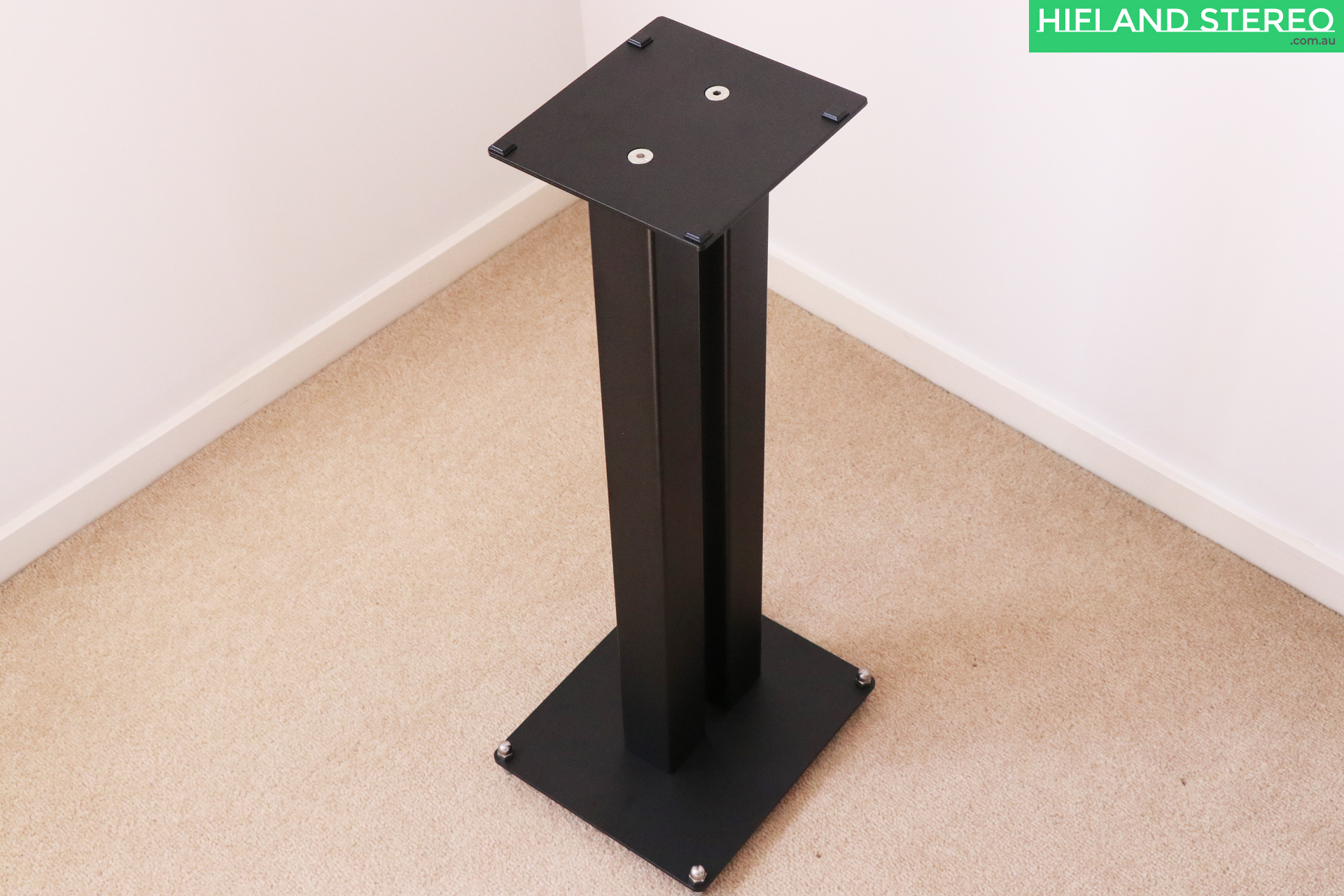
The SQ402 Custom Design stand with LS3/5a ‘atop’.
In an ideal world a speaker stand would be: (a) unmovable to enable accurate imaging (b) infinitely stiff making it impossible to resonate (c) infinitely light so as not to absorb energy and perhaps (d) infinitely inert (which it would be if it was all of the above, I think?). This speaker stand scores highly in the above categories. It does a great job of balancing ease of assembly, performance, and good looks with a sensible price.
Are you searching for a value for money stand solution that is made from high quality materials and has a performance design ethic behind it ? I suggest you take a closer look at the Custom Design SQ402. It’s a bit like loudspeaker cables, skimping in this area is perhaps the difference between getting 90% of the sound quality from your loudspeakers versus maybe 99% ! The Custom Design SQ402 offers the vast majority of potential performance from your loudspeakers for dramatically less than some alternatives. Highly recommended!
For – Obviously well crafted from quality materials
For – Allows high performance loudspeakers to give their best
For – Non fussy design doesn’t attract attention to itself
Against – Chrome domes (nuts covering end of spikes)
Against – Some Inert filler dust leaks from around joint between upright and base. Not a big issue. Some kind of gasket would solve the issue.
Dimensions – 600mm high x 165mm wide x 180mm deep (top plate), the base is 220mm wide x 260mm deep.
Inert Filler comes in bags 160mm wide x 240mm long and weigh approximately 1.5KG
Click on any image above and peruse the gallery for High Resolution images.
Possible Improvements ! – Here are 4 ways to get more from any loudspeaker stand 1. Level the stand and make sure it doesn’t rock by adjusting the spikes. It’s surprising just how how uneven your average floor is. No matter whether its concrete, timber, carpet or ceramic tiles. Adjust your spikes. 2. Don’t use the supplied rubber feet for the top plate. I would use Blutak or a similar product. A small ball at each corner of the speaker will ‘bond’ it to the top of the stand but still be able to be removed (with some effort) later. There is no chance the speaker will ‘wobble’ on top of the stand using this method. An old trick, but I thought it was worth mentioning for new players.
3) “Why not use sand?” I hear you ask, “rather than the relatively expensive (inert filler) volcano micro rubble. Well, sand is sort of nasty stuff… Firstly it will have to be river sand as some from the beach is going to rot out your stands from the inside out. Even river sand though is a pest to pour into the stand and even after that will tend to sneak through the joint at the base of the stand between upright and base. I noted some tiny amount of black dust getting through the gap during this review but sand is worse. Having used both I much prefer Custom’s Inert Filler. 4. Where, is the front of the stand? Does it have a front? Yes it does. The uprights are set slightly to the rear of the base on the basis that the centre of mass of most loudspeakers is towards their front baffle (due mostly to the weight of the drive units bolted to it). Therefore, the slight bias to the rear puts the weight smack over the centre of the base reducing the likelihood of the stand and speaker assembly toppling forward.
How best to enjoy your new stands? Well with a Newcastle Ale of course. It pours with a healthy dense head, tastes a bit like steel actually… Brown steel. Very sessional for a darker beer. The lowish alcohol content helping with the ability to throw a few down in quick succession. Not that we want to do that here… It unfortunately has become incredibly difficult to buy in this country… A solid 4 stars from me (out of 5) for taste and enjoyment while listening to some wobble free music through speakers now located on Newcastle made stands.
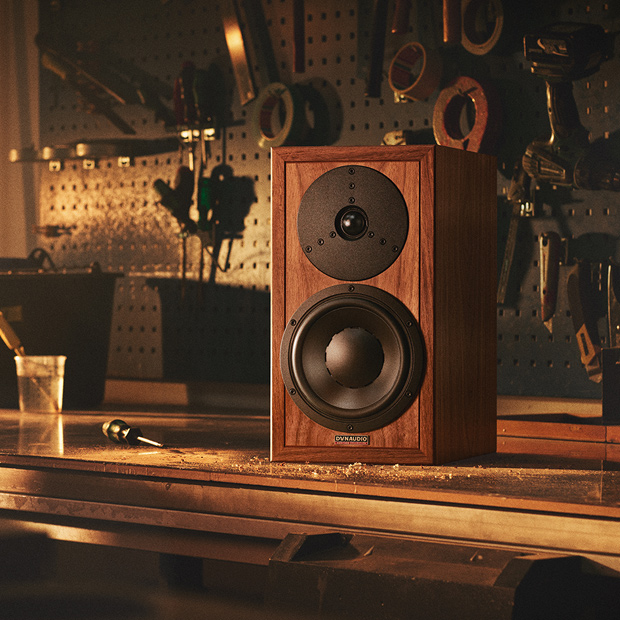
The name says it all really, the new “Heritage Special” celebrates all the things that drew you to the brand years ago. For me, its the oversized voice coil and accompanying large dust cap fitted to the mid bass driver. For you, it could be the stunning cabinetry or just the model name of the tweeter….. ‘Esotarrrr’ ! Dynaudio themselves suggest it could be the groove at the edge of the front baffle that tweaks your sense of nostalgia. Whatever it may be, this new limited edition loudspeaker is definitely a look back at past glories. Dynaudio, perhaps the most highly regarded Danish loudspeaker manufacturer, is only releasing 2500 of these gems, worldwide.
The Heritage Special employs a somewhat revised 18W75XL mid bass driver and the same Esotar tweeter used in the range-topping Confidence series. Improvements to the bass unit include a hybrid drive system using both ferrite and neodynium magnets. The large (even by todays standards) 75mm voice coil is wound on a fibreglass former and the spider is made from Nomex. It is clear that this is an all out effort to not just make a limited edition special, but also one that honours a long line of superbly designed loudspeakers.
The new limited edition Dynaudio Heritage Special
At $11,000 per pair in American Walnut veneer, one could assume they might not be snapped up in a hurry. I suspect with the amount of love out there for the older Dynaudio models, the opposite might be true. Checking in with your local Dynaudio stockist as soon as possible, would be my advice!