Month: January 2021

  • Alderwood Eros – A new Australian Made Loudspeaker

    Alderwood Eros – A new Australian Made Loudspeaker

    We used to make all sorts of things in Australia as diverse as electronics, clothes, watches and cars! There were a host of Australian made loudspeakers too, including some names still around such as Richter, Duntech and Krix. Unfortunately many have gone…forever. Of those that remain, I suspect that many components of these brands are sourced from overseas. In many cases they may even be assembled overseas. It might be a stretch to regard them as still ‘Australian made’? For many buyers though, it doesn’t matter where it’s made and for the manufacturer the choice may well be to go offshore, or go out of business. I fully understand this but Scott Wilkinson at Alderwood Speakers is ignoring this trend. He loves the concept of making things here in Australia. He has designed a particularly cute speaker AND makes the vast majority of the component parts on the premises at Alderwood HQ in Victoria.

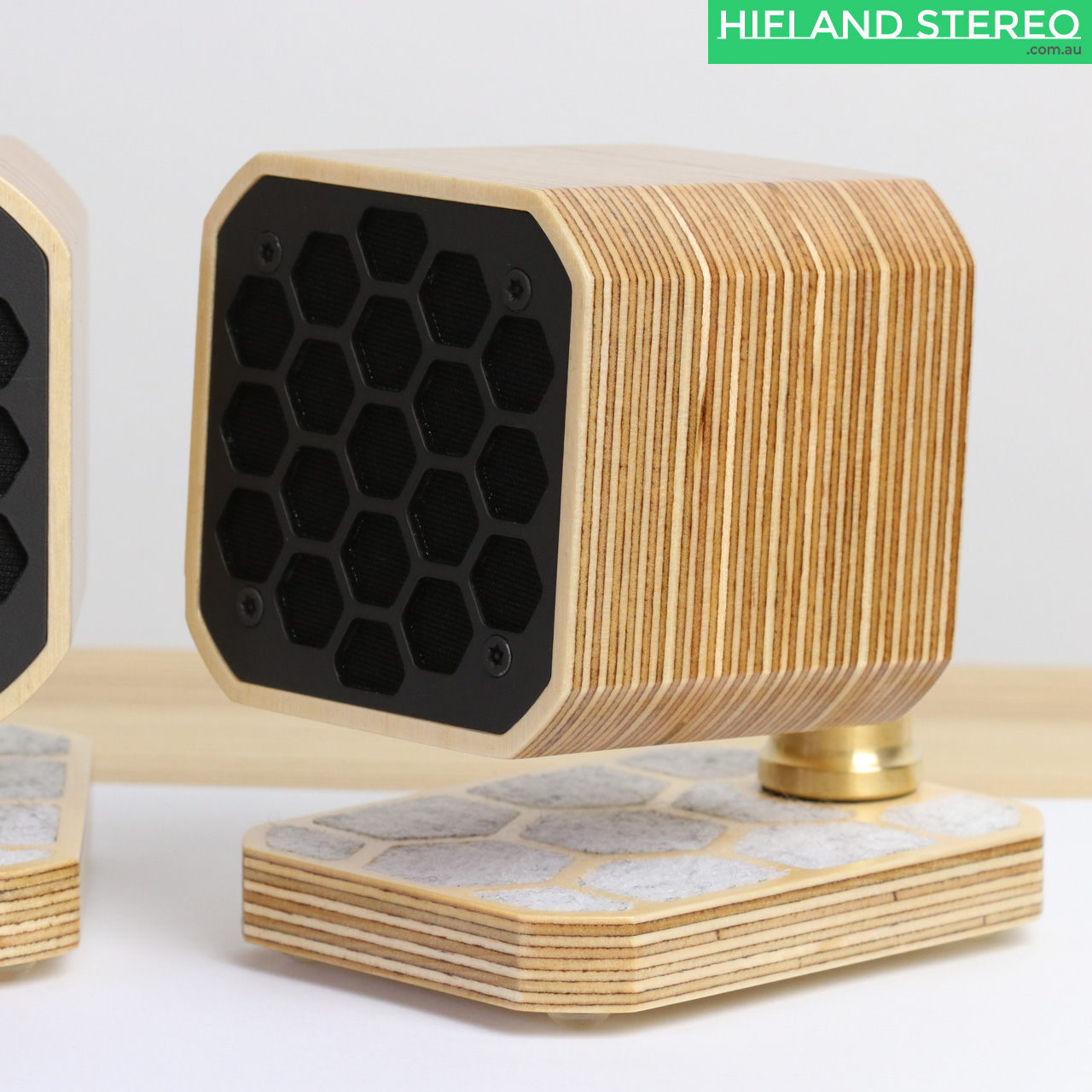
    Alderwood Eros Pro in clear lacquer finish
    Alderwood Eros Pro in clear lacquer finish

    Digging further into how the Alderwood Eros Pro was designed and made Scott tells me, that the drive unit (there is only one per box) is of his design. Particular care was taken with the cone and roll surround materials to get just the tonal balance he was looking for, plus durability and moisture resistance. The driver is assembled at Alderwood HQ and magnetised on the premises. The enclosures are also crafted in-house on various CNC woodworking machines. Hand finishing, assembly, careful testing and packaging for shipping all happens at Alderwood’s Cobden facility. A stunning part of country, very near the 12 Apostles on the Victorian coastline.

    And they arrive very nicely packed indeed!

    It is great to see an Australian built product arrive so ‘complete’. There was proper packaging, labeling and an instruction manual. Within minutes I had the Eros attached to their brackets and stands, cables plugged into the ever-ready Naim Star and music playing. Mmmm but there was a catch…

    Alderwood Eros packaging being unboxed
    Alderwood Eros being unboxed

    The Alderwoods are obviously very well made. Well made enough that they sport an IP67 rating which in ‘English’ means you can use them on a boat. This boat could be off the 12 Apostles taking a lot of green water over the bow and they will keep on playing. I’m not sure I would want the green water smashing into the speakers directly but the point remains that they are marine rated. In fact the IP67 standard suggests they could play under water for up to half an hour! They are offered in a range of finishes including the clear coated finish on display here but also a textured black or white painted finish. In fact if you are willing to wait Scott can organise a pair in any colour you like. I’m guessing this ‘customisation’ might come at a small premium, but the clear, white, black option all retail for $1900pr. For me the clear is definitely the go, they look stunning. Included in the box are a pair of rather handsome machined brass swivel brackets. These are included in the price and yet look very ‘bespoke’ (and pricey). Scott also supplied some appropriate cables and his new speaker stands. Both are $99 optional extras (a bargain!).

    And the catch is…

    When I say these loudspeakers are tiny I’m stretching the truth as they are in fact, miniscule. Take a look at the picture below for a scale shot to give you an idea just how small they are. To the uninitiated it might seem they could not possibly produce serious volume or great sound quality. The catch of course is that they do not even attempt to produce any low bass notes. In fact the lowest bass is gently filtered out by a built in simple passive crossover. This leaves the vast majority of the audible spectrum intact but the need for high excursion cones and big boxes is removed. Those lower notes that require real power and authority are handled by a subwoofer of your choice. Alderwood manufactures a few, but I was interested in what an inexpensive solution might sound like. With this goal in mind I sourced an REL T Zero on short term loan from my friendly neighbourhood HiFi store – The Audio Tailor. (Also currently Australian HiFi Retailer of year!) The REL is a highly regarded incredibly small powered woofer that is both fast and musical but also rather well priced at only $699. It was a guess on my part that this little sub would work well with the Alderwoods, as it turned out I guessed correctly. I wired them directly to the HiFi and Stereo resident Naim Star, using cables Scott at Alderwood supplied with the correct connectors fitted at each end. I connected the REL subwoofer directly via an RCA lead to the pre outs of the Naim. I tweaked the low pass filter on the rear of the REL to its highest setting, adjusted the level control to the middle and powered everything up. Now I had full range sound.

    The Alderwood Eros Pros with some everyday objects in the background for scale
    Yes the Alderwood Eros Pro are tiny

    And the sound?

    The Alderwoods have an immediately appealing light and bright balance which causes instruments such as acoustic guitar to sound exciting and dynamic. The obvious pace and detail of the Alderwood’s sound also adds fruity colour to husky male vocals such as Joe Bonamassa and Robert Cray on track 4 of Lee Ritenour’s Six String Theory. The overall effect is a little like feeding acoustic instruments through a Concert PA, they become larger and louder. Through a PA they also become somewhat less clean and a bit harmonically challenged. In other words, their frequency range is perhaps ‘enhanced’ or some would say ‘coloured’. For many this is no bad thing and frankly for their (the Alderwood’s) incredibly small proportions and price, a damned fine outcome.

    I do note that the instrument most effected by their exuberant performance is the female voice. For those looking for a particularly sweet and seemingly accurate rendition of your favourite lady singer, you might need to buy larger and probably more expensive loudspeakers. I still very much enjoyed the likes of Janis Ian’s ‘Breaking Silence’ Album (an album I should have put in our 10 hot demo tracks article?). Her easy to get along with voice does not shine a light on any limitations the Alderwood’s incredibly tiny full range driver may cause.

    I should mention that the integration I easily achieved with the REL T Zero powered subwoofer was perfectly seemless. The full range of sounds appear to come only from the tiny enclosures. I experienced none of the old ‘Bose-like’ boom-boom from one corner, a hole in the response and then tish-tish from the main speakers. I should also say that the quality of stereo imaging was impressive with great accuracy of placement and significant width and depth.

    So, overall an enjoyable sound if not the last word in audiophile perfection. But then, seriously, at this price and size that was unlikely. The laws of physics are almost certainly impossible to break, but Alderwood have come very close with the Eros model. Their slightly brightly lit and mildy coloured response is likely to be just what many want to hear. If you were to consider them a loudspeaker more in the ‘lifestyle’ category rather than an outright attempt on HiFi world domination, then I reckon they are a great success.

    Alderwood Eros Pro pair pictured on REL T zero for scale.
    Miniscule Alderwood Eros Pro in clear lacquer finish pictured for scale with Falcon LS3/5A and REL T zero.

    And to Sum Up !

    I thoroughly enjoyed my time with these hand crafted gems. In a situation where you really do not want to see the source of the beautiful music in the room, these Alderwoods can be highly recommended. They can also be highly recommended for those that want their cash to stay in Australia. You can support a small local business trying very hard to manufacture something here. Australia is a very harsh environment for those designers who would also like to make the product locally. Good luck to Scott Wilkinson, I wish him well on his quest to bring back real ‘made in Australia’ manufacturing and from what I see and hear with the Eros model, he is likely to succeed.

    • For – A very high quality product designed and made in Australia.
    • For – Rather stunning aesthetics.
    • For – Impressive sound quality and scale for their size.
    • For – Impervious to dust and moisture.
    • Against – You will also need a subwoofer to obtain full range sound.
    • Against – Slightly exuberant nature of the tonal balance may not suit some listeners or all material.
    • Manufactured by – Alderwood, 56 Curdie Street Cobden, Victoria Australia – www.alderwoodspeakers.com.au
    • Price – $1900pr inc brackets (stands and cables extra at $50 each)
    • Tested with Naim Star and REL T Zero (on loan from The Audio Tailor)

    Beer! The stereo is on, favourite album queued….

    Today I’m going down the West Coast IPA path again. They may not be everyone’s favourite style, but I like them. A good one has lotsa mouthfeel and a great whiff of fresh hops when you pour it. The hop bitterness, of which there should be plenty, is balanced generally by big biscuity malt. It may well be that this local one from Sea Legs brewery is as close as most crafties get to making it right. I have had better but this was very enjoyable. Superbly balanced with reasonable complexity. A thoroughly enjoyable drink that annoyingly you could just throw down. The highish alcohol for the style is very well disguised. This makes for a sessional, right up to the point where you fall down and your wallet is empty. Which brings me to another point – price? I have bought 3 of these, at three different locations. One at the brewery itself and the other two in cans at local bottlo’s. $8.50, $10 and $12.50, all for the same quantity. One of the prices they throw in a stool and a glass… So what is the real price of beer? For that matter how can there be one price 50% more than another. The answer is, I have no clue, but wow things have changed. There was a time when a beer in a bar or restaurant was $7 – $11. This time wasn’t long ago and it still exists now.

    I reckon the $10 I paid at the brewery was reasonable value. As mentioned you get a free chair and container to drink it out of and its super fresh straight out of the keg. So the real question is what has happened with bottle shop pricing? Take home beer used to cost a third or maybe even a quarter of the restaurant price. Well we know that bottle shop B is taking about 47% more than bottle shop A in turnover. Assuming A is making money and the two shops have similar overheads (which they do, based on size and staffing), B is making some serious bucks. For how long I’m not sure, as unsurprisingly I don’t shop there anymore. The guy at A is a much friendlier bloke too. There is possibly an analogy here with the HiFi world.

    B is owned by a large business with half a dozen pubs and no doubt many bottle shops. As part of this ‘corporate’ structure we as customers get the same product, coupled with poorer service and pay a premium for it. The winner is some faceless corporation which probably runs it’s business less efficiently. They no doubt also own a much bigger boat than old mate the independent. All this makes me wonder about the mass corporatisation of the brand name HiFi landscape that has been going on for the last few years. Are we as consumers getting more or less for our money as our favourite brands get gobbled up. Mostly by groups of accountants who couldn’t give a toss about fidelity and good music?…..

    If you get a chance give one of these WC IPA a go. Sea Legs make excellent beer under the Story Bridge in Brisbane. Drink up!

    sea legs west coast ipa can
    One of the better Australian made West Coast IPAs I have enjoyed recently. Very yummy!
  • Cambridge CXN V2 – Does it actually do everything?

    Cambridge CXN V2 – Does it actually do everything?

    Cambridge Audio, a brand constantly moving forward!

    Brought up on HiFi of the 70’s and 80’s, Cambridge wasn’t a brand that featured in my ‘audio learnings’. This was probably due to the fact that it was flailing, with ‘revolving’ ownership and somewhat rudderless. I’m not even sure the brand was imported into Australia at that time. Wow, how things have changed! The rudder was reattached in 1994, with the purchase of the Cambridge Audio label by Audio Partnership. Since that day, Cambridge has moved forward with an ever-expanding range of quality, affordable stereo gear. This growth occurred at a time when it seemed other brands were beginning to flail.

    Cambridge currently offers four product ranges, kicking off with the entry level Topaz range of CD players, amplifiers and receivers. The range tops out with the ‘Edge’ pre streamer, an integrated amplifier and a power amplifier. The CX range sits in the lower middle, representing perhaps the most sound quality for the least bucks. The CX range consists of two integrated amplifiers, the CXA61 and CXA81; a CD transport known as the CXC; and the streamer being reviewed here, the CXN. I should also mention that the CXN I’m testing is the latest version, V2.

    The CXN has been around in one form or another for many years. Cambridge got in early on the idea of removing the PC from the listening space but keeping the advantages it brings. Initially the NP30 waved the flag for Cambridge branded streaming. A year or two later it was followed by the bigger chassis sized Stream Magic 6, and then in quick succession, the first version of the CXN. Cambridge have had 10 years to hone the performance of this product and is now highly featured and rather slick.

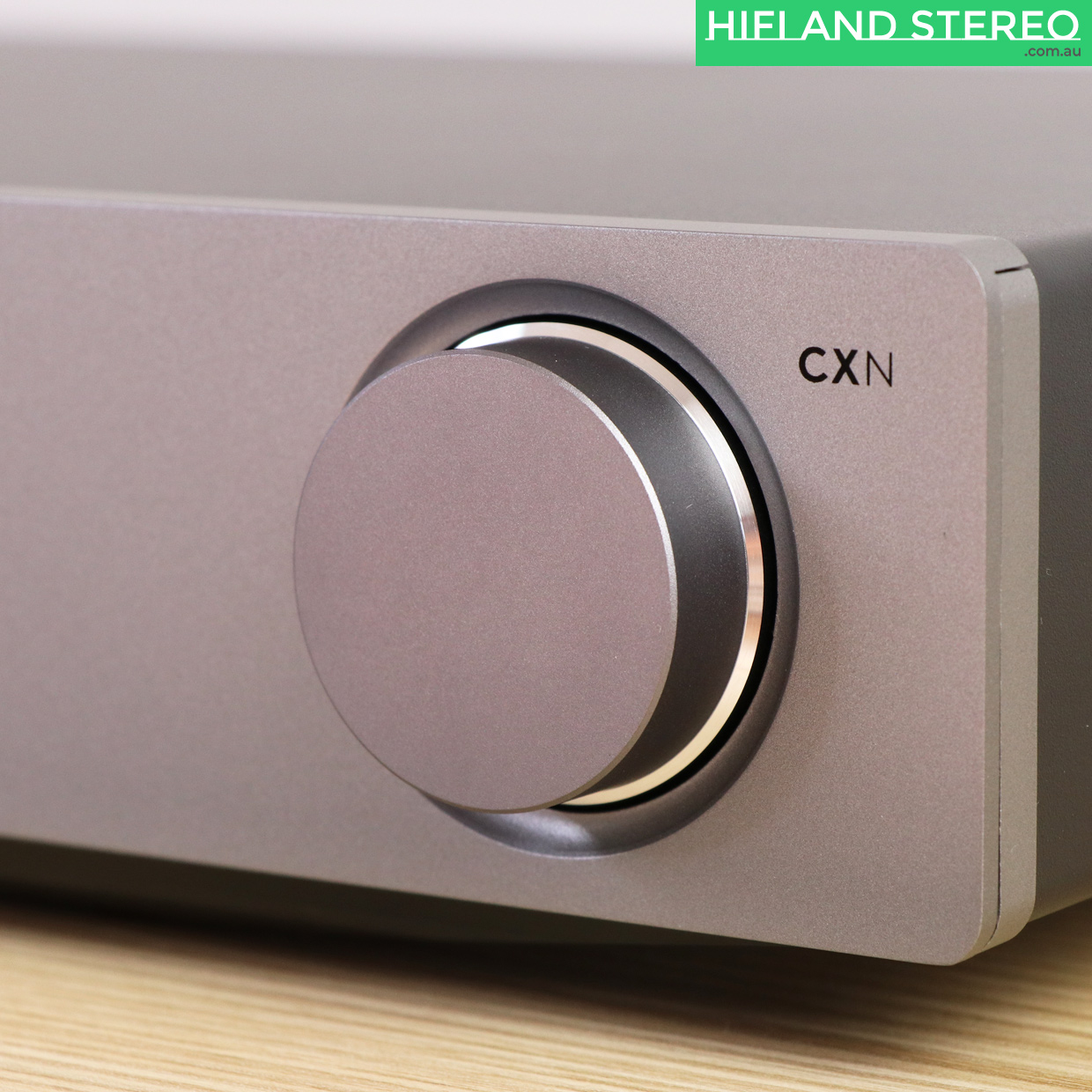
    Front panel of CXN streamer
    Front panel of CXN streamer is sleek and simple but has all the controls you need

    What does it do?

    The short answer is, a lot! You can play music the following ways –

    1) External digital sources such as a CD player, DVD player, TV sound or a PC. As per a normal DAC via Coaxial, Optical or USB inputs.

    2) Internet radio.

    3) Stream subscription services such as Spotify and Tidal, with Tidal being controlled within the Cambridge app, known as ‘StreamMagic’.

    4) Stream your own digital files from either a USB stick or USB HDD, or over your local network (files stored on a PC or NAS) connected either with ethernet or wirelessly.

    5) Airplay, Chromecast and Roon capability or compatibility is also on offer.

    6) Bluetooth is an ‘option’ with the addition of a Cambridge BT100 USB plug-in dongle. The BT100 will in fact plug into various other Cambridge Audio products and add BT functionality (including AptX compatibility). Having previously tested one and finding it to work perfectly I didn’t try one with the CXN during this review. I assume Cambridge have made this an optional plug-in unit for two reasons. One could be that a Bluetooth transceiver needs to be in a plastic housing and the CXN is crafted from pressed steel, making it very hard for radio waves to escape. The second possibility being that Chromecast and Airplay offer improved fidelity making Bluetooth somewhat redundant. There are few households where a CXN might live that will not have a WiFi network and in turn the residents phones will almost certainly be connected to it. This makes Chromecast and Airplay the best solutions to get music out of your phone or tablet and into a HiFi system.

    7) It has the option of a variable output, effectively making it a digital pre-amp. This output is either via unbalanced RCA connectors or balanced XLR connectors. The digital outputs can not be made variable, so perhaps it’s not a ‘true’ digital pre amp? You can either use the CXN with an integrated amplifier such as the CXA81 OR in fact, with a simple power-amp. This then allows you to build an all-in-one system (but in 2 boxes so not all-in-one at all, really). If you were to use the power amplifier option, you would take advantage of the variable output function. This combination would end up being physically larger than say the Naim Atom, but would require a smaller cash investment.

    In fact the only downside to playback compatibility I can think of is the lack of FM radio or any analogue inputs of any kind.


    Professional HiFi repairs performed by a qualified technician available now in Brisbane


    You can control the CXN V2 in many different ways. In a very old school way, you can drive it from the front panel using the sometimes volume knob as a curser controller and enter button in one (the knob pushes in for enter). The built-in screen shows the menu. The handful of buttons surrounding this display allow functions to be accessed that the main knob can’t handle such as ‘return’, ‘home’ etc. I can report that these front panel controls work flawlessly, even allowing very easy inputting of WiFi passwords. A similar result could also be achieved with the supplied remote control handpiece. This remote has plenty of buttons, also allowing control of other CX series components and has a nice feel and quality look to it. There is also the Android and iOS compatible app, known as ‘StreamMagic’.

    Cambridge CXN V2 remote control handpiece
    Cambridge CXN V2 remote control handpiece

    The Stream Magic app

    This app ‘thing’, is where many brands have failed in their attempts at creating an intuitive and enjoyable streaming experience. Cambridge have been updating and improving their control apps since the Stream Magic 6 streamer was released approximately ten years ago. I reckon they now have it working rather well (not that it was ever truly bad). I installed the StreamMagic app on my iPad mini and my now rather old iPhone 6s without trouble. Apologies to those in the Android camp, but my previous experience with this app would suggest that Androids also work well. Functions-wise you can control pretty much everything from the app including all the settings. Inputs can be selected on one page, the next offers up a stack of internet radio stations. and the search function allows you to find the other 68,000 not displayed by default. Another page shows all your media sources such as Tidal or a NAS drive and these are also just a click away.

    Once a file or radio station is playing, clicking at the bottom of the screen pops up another window offering transport controls. A swipe left or right brings up either a volume control or the ‘queue’ options. For me this is where the app is a little less than intuitive.

    In the end I feel I got into the head of the Cambridge software engineers, by treating the main music selection menu as just that. You select tracks to add to the queue, then enter the queue (pop up menu and swipe right) and select what you want to actually play. Otherwise, when a song ends it jumps back to the last item in the queue, rather than the next track of the album. This is bloody annoying as you probably just listened to the last item in the queue. However, it makes complete sense once you understand it. It’s really only the difference between ordering chicken at KFC versus Red Rooster.

    I suggest clicking on the app screen-shot gallery below for further notes on the ins and outs of this highly featured app. It worked perfectly 99% of the time. The only time the app lost it’s way was when the music stopped, causing the CXN to sleep (20 minute setting) and my iPad was locked. The fix was nothing more than closing the app and re-starting. It’s hardly surprising really under those circumstances when everything has ‘gone-to-sleep’. I think Cambridge’s IT team have done a great job and I imagine they are working on a fix (if it even needs one). At the time of writing there have been more than 10 revisions of the Stream Magic app in the last year or so. Some of these updates are because of feature additions but clearly they are are keen to get it right and are responding to users issues.

    Cambridge CXN front panel hard buttons and display
    Cambridge CXN front panel hard buttons and display unlike many streamers at the price

    BUT there is now a further option available to control your CXN V2 and improve the listening experience at the same time – ROON !

    I know Roon exists, I have heard it mentioned in audio circles many times, always seemingly in a positive light but I have not dabbled with it, at all. I feel it has been an obvious gap in my HiFi knowledge and experience so here goes!. The time is now to investigate this all-conquering, music-streaming and multi-room control system. What is it? How does it work? More importantly in the context of this article, how does it work with the Cambridge CXN V2. Well here goes! ……….. I think within minutes, I had signed up with Roon, downloaded the software and installed it. I installed the ‘core’ software on the very laptop I am typing on now, pointed it towards my folder of FLAC files, logged into my tidal account and ta-da! Roon found the CXN immediately and I had sweet music playing. There was some confusion regarding the variable volume output (Roon considers it’s volume range as 0 – 30 versus the Stream Magic app’s 0 – 100). I rate the whole Roon experience as 10 out of 10 for integration, simplicity and the interface. I guess I have joined the ranks of Roon fans just like that. Yet another subscription in my life, of $12.99 per month…


    Check out this gallery of StreamMagic app pics and comments.


    And the sound?

    What’s not to like? A very slightly warm balance with a shred less detail and clarity up top than some much more expensive competitors. Or is it that the competitors shine an unrealistically bright light on the top end, that doesn’t actually exist in the real world of live musical instruments? I tested it in a variety of ways attempting to discover where the limitations, if any, might reside. I didn’t have another ‘competitor’ as such handy but I did have a well-known do-everything all-in-one streamer/DAC/amplifier on hand. It sells for 3-4 times as much as the Cambridge and you would expect it to maybe wipe the floor with the CXN, but this didn’t happen. In fact, feeding the digital output of the Cambridge into the coaxial digital input of the all-in-one (Naim Star) and using the Naim’s DAC while comparing Tidal tracks was illuminating. So, effectively one streamer’s digital-out versus another. Although, being in the same box, the Naim may have held a small advantage in some kind of obscure, digital-timing kind of way.

    As a bit of a believer in ones and zeros being uncorruptable, I shouldn’t be surprised that for me the two sources sounded exactly the same! On the other hand, my belief is often crushed by what I can easily hear. One example was playing High Resolution files from a USB stick. Initially I tested it with the stick in the CXN. I switched between the analogue output and digital out with both plugged through the Naim’s respective inputs. What I heard was very high quality sound. However, when using the Naim’s digital in and therefore it’s DAC, there was a slight improvement in clarity and focus across the spectrum. I then plugged the thumb drive directly into the Naim, in effect comparing the drives through the Naims DAC. Playing the same files I was surprised to hear the sound became somewhat more focused with the stick playing in the Naim. Further evidence that my quite shakey belief in ones and zeros being always, well ones and zeros, is flawed. HiFi life would be so simple if it wasn’t this complicated!

    So the USB drive input in the CXN sounds great but bizarrely not as good as the Naim one? I suspect this difference is down to some kind of sampling/bit rate, up-sampling, down-sampling hocus pocus. I moved on, to try other inputs… A pattern developed with the CXN’s ‘sound’ being of a very slightly ‘mellow’ nature.

    The DAC section of the CXN V2 circuit board
    Wolfson DACs and Wima capacitors.

    I also spent some time checking out sound quality with the USB streaming audio input. For me this is a pretty clumsy way to enjoy music, but there is the potential for first class sound from High Bitrate files. It took an hour or so of fiddling around installing the type 2.0 USB driver and finding the setting in the menu, (where you flick the USB from type 1.0 to type 2.0). I then installed Foobar (for the first time in 15 years, but it looks the same) and configured it and the ASIO driver etc, blah blah, blah. The results were less than amazing. I wrote the whole experiment off as an old world solution that almost no one is going to bother with anymore. I’m going to guess USB streaming works rather better with a Mac than my Windows 10 laptop. What I did hear didn’t match up with playing the same files off a thumb drive. A thumb drive is so simple. Just drop some files on the drive, plug it in to the front and play via the app. It all happens flawlessly. My guess is that the high-resolution-audio capabilities of Roon eclipse anything USB streaming offers and in a solution where the computer doesn’t need rack space next to the CXN.

    I tested the internet radio and found it to be the equal of anything else I have ever used for this task. The inbuilt DAC will be an upgrade for many sub $1000 CD players too, judging by what I heard.

    So to summarise my thoughts on the sound quality of the CXN V2.

    The much more expensive Naim is just a touch more focused. The music appears to arrive off a slightly darker background, has a slightly more dynamic nature to it and is perhaps a smidge cleaner. The difference between it and the CXN is so small that there is no way in a blind test I could pick it every time. The reality is unless your system is a sporting a seriously first class pair of speakers and a pretty fancy amp you shouldn’t concern yourself. As a percentage of the difference between two very good loudspeakers, the difference here is a tenth or less. Most readers’ systems will have far bigger issues to resolve before this tiny difference becomes ‘the’ issue stopping a lot of listening enjoyment.

    the rear panel of the cambridge cxn showing all connection possibilities
    Cambridge Audio CXN V2 Streamer rear panel

    So overall in regard to the sound its a solid 9 out of 10 without even considering the price. I now fully understand why the Cambridge CXN V2 is a big seller. It’s a first class, reliable all-rounder with incredibly pleasant sound. In fact, it does seem to do, everything! Happy Listening!


    Click on any image above to enter the gallery and enjoy high resolution images of the Cambridge CXN V2.


    • For – An extremely competent, fully featured, terrific sounding all-rounder.
    • For – Rather nicely made good looking piece that could blend into almost any existing system aesthetically.
    • For – Incredibly easy to use. In the time honored male fashion I didn’t read a single instruction except when trying to get the USB streaming audio up and running.
    • For – Great upgradability in a number or directions – The balanced analogue outs, the ability to use it as a pre amp, the Roon compatibility, to name a few.
    • Against – App is not the most intuitive or prettiest but it ultimately does the job very well.
    • Against – USB streaming audio config is tricky with a windows PC but who cares when Roon is wiping the floor with such olde worlde-ness.
    • Against – No Bluetooth may annoy some in certain situations. The add-on BT100 dongle will resolve this though.
    • Against – Nothing else.
    • Dimensions – 430mm wide x 85mm high x 325 deep including front panel knob and rear sockets that sit proud.
    • Weight – 5.5kgs.
    • Price – $2099.
    • Optional BT100 Bluetooth Adapter – Price $199.
    • Imported and distributed in Australia by – Synergy Audio Visual
    • Tested with – Falcon Acoustics Silver Badge LS3/5A, mounted on SQ402 stands, Naim Star and music from – 10 Hot Demo Tracks

    So about these pre amp outputs – Add a power amp of your choice, preferably with auto-on sensing and you have an all in-one-solution albeit in two separate boxes. Not only do you end up spending less than $3000, you also end up with more horsepower than say a Naim Atom. Extra power will allow you drive a more serious loudspeaker system. This two box, one box alternative is not a fix for the Atoms cuteness and slick aesthetic. It is an alternative that will sound richer and louder AND most importantly the volume control will be right there in the app.

    The catch? – Oh yes there is a catch with this all-in-one solution. No analogue inputs… This is probably only a problem if you wish to play records. There are solutions for this that will digitally encode your analogue turntables output. They are not inexpensive though and therefore if records are on your mind this may not be a great solution. The other catch is that the CXN is very much more a streamer and DAC than it is a premium pre amplifier. Its output stage is probably not going to drive all power amps to their full performance. I briefly tested this with a tube amp I had kicking around and actually found it to drive it very successfully. Your mileage may vary, as they say. There is the thought that perhaps the balanced out will drive a power amp with balanced inputs a little better than the RCAs? Alas I did not have a suitable power amp on hand to experiment. To sum up, the pre outs coupled with a small power amp is an ‘all-in-one’ competitive solution as long as analogue ins are not required and you don’t expect the last word in pre amp performance. For me though, I reckon it’s a great feature to have up your sleeve.

    Oh and what to enjoy with your first listening session with new Cambridge CXN V2 all set up and sounding sweet? I thought I would keep it local hoping for a good outcome on the flavour and enjoyment front. 6 miles down the road from the Cambridge head quarters in London is a mob known as London Beer Factory. I suppose the clue is in the name as to what they do. I invested a not insignificant amount in their 440ml can of ‘New England IPA’. I guess by the time it gets here with freight an’ all $14.50 is not ridiculous..? No it is ridiculous actually, but that’s the new trend in craft beer. Ever since the $19.99 per six pack threshold was busted it seems like it’s been a crazy race to see who could win the “we have the most expensive beer’ contest. My local bottleshop is crammed full of singles that sell from a bargain basement $7 up to approximately $30. Yes that’s an ‘each’ price. Size varies between 330ml and 750ml but there at least 100 choices in the $15 per 440ml can range. Carton prices are irrelevant unless you just sold off your Bitcoins that you bought for a dollar. Anyway, enough complaining, I cracked it, hoping for the best. Unlike HiFi you don’t get to ‘taste’ it before forking over the cash. The picture tells it all really. Its a yellowy looking, completely opaque, soupy looking brew with at first sniff, little aroma. It proudly proclaims on the can – “A hazy IPA showcasing this years Galaxy hop harvest”. I’m guessing they forgot to put the poor little Galaxians in the pot? Flavour wise yes there is some hops but it’s quite subtle. What hops is in the beer initially leaves a slightly pineapple like tartness on the tongue. I sort of like that, sort of. That quickly subsides though and is replaced with the thought that your are drinking a beer not quite fully fermented. It’s one dimensional in flavour, has little mouthfeel, and what mouthfeel there is, is only there because there’s stuff floating in it. I battled on, slugging it all down for the sake of this review but seriously something has gone wrong here. There is a hell of a lot of excellent craft beer available these days, the vast majority of it is well made and tasty. This attempt at hipster craft brew hazy fashion misses the mark, tasting a bit like a beer cordial mixed 50/50 with tap water. Black Hops G.O.A.T is less than half the price and is three times the beer. Maybe I’m being overly negative, brought on by paying very nearly the price of a single malt whiskey per litre, for pretty poor quality beer… Score for this stuff is a solid 2 out of 10 – Avoid!

    can with glass full of staring into space london beer factory IPA
    Headless beer by London Beer Factory
  • Getting started in vinyl playback – advice from an industry pro.

    Getting started in vinyl playback – advice from an industry pro.

    The turntable !

    Yes, you are going to need a turntable… There are probably three kinds of turntables out there – 1) New turntables of quality, probably starting at around $500. 2) New turntables of poor quality starting at around $50 and rising in cost to around $500. 3) Used turntables from the heyday of vinyl, say the 70’s and 80’s. These could be further divided into two groups, the all-in-ones (stereograms and 3-in-1s as they were known in the day) and proper turntables (HiFi turntables). Lets take a closer look at the various options.

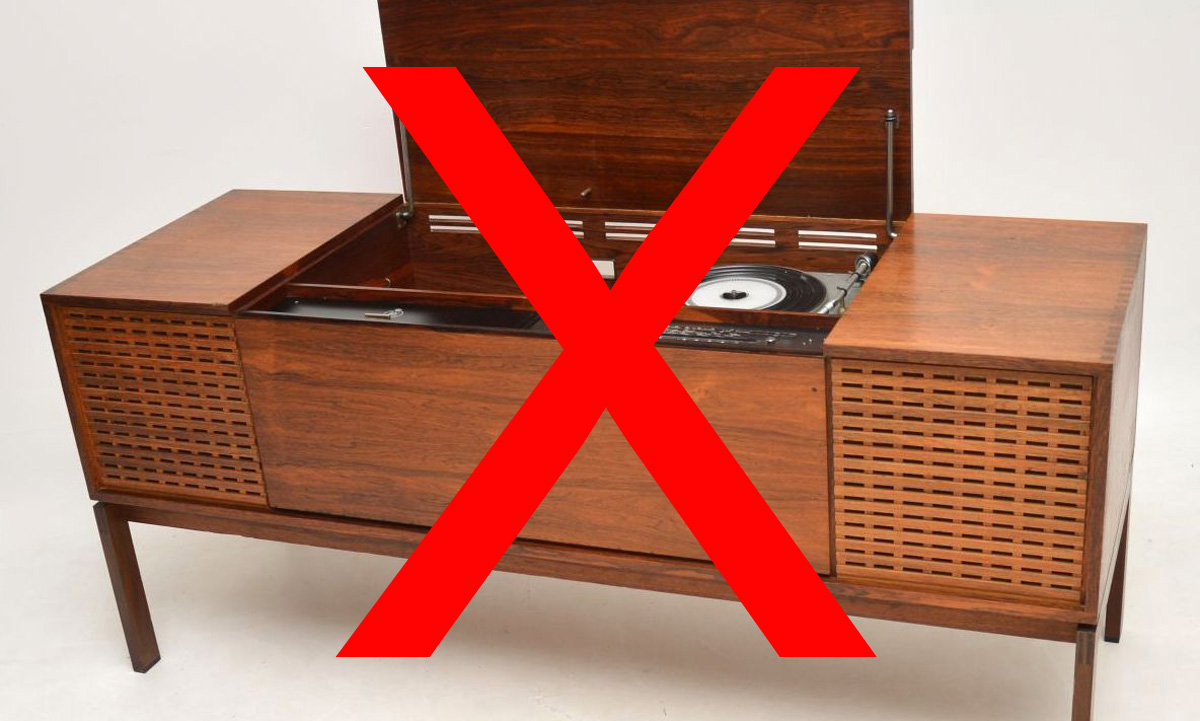
    Garbage record player with red X through it NOT recommended by HiFi and Stereo
    Words fail me, just don’t!!

    Lets briefly discuss stereograms, radiograms and 3-in-1s.

    They are all more or less the same thing ie. A record player, amplifier and speakers all in the one cabinet. In the case of the ‘3 in 1’ it was generally a turntable, receiver and cassette deck all in one chassis with a pair of speakers thrown in (they threw them in because they were valueless). If you are collecting records and would like to keep them in good nick and hear them at their best, you DO NOT want a radiogram. “Why? They look so retro cool” I hear you ask. Why? Because they were rubbish when they were new and have not improved with age like some kind of electronic fine wine. In this world where almost everything you can buy works, it is perhaps hard to understand the gulf of performance between a proper HiFi system of the 70’s and one of these all-in-one compromises. Some fast facts – Firstly they track at 3 to 4 times the tracking force of a quality modern turntable/magnetic cartridge combo and WILL cause wear to your records with every play. Secondly they sound dreadful. Thirdly they are the olde worlde version of the worst piece of crap you could currently buy, nothing more. They were the cheap music playback solutions of the 60’s, 70’s and 80’s and cool or otherwise now, they are worn out from sitting around and cannot be successfully repaired. They could possibly be rebuilt if you could find a tech that does that sort of thing but the cost to do the job properly is way more than just buying a decent new stereo. The result will still sound and perform poorly compared to other options discussed here. Just don’t!

    Marley turntable with red X through it NOT recommended by HiFi and Stereo
    Don’t buy one of these!

    Right! Now onto some less hipster cool, but superior sounding options.

    Used turntables from the good old days also have issues now that they are getting on in years. The fact is they are all around 30 – 50years old now. Even if little used over these years the materials they are constructed of will have in many cases changed their nature. Rubber parts will either be rock hard, have turned to goo or just perished away to dust. Oils and greases in theory all need to be removed and replaced with fresh. Wiring will be corroded and insulation hardened and inflexible. In regard to brand and model, all old turntables were not made equal. Just because it comes with a wooden plinth (or at least one covered in ‘wood look’ vinyl wrap) may make it ‘retro’ but it doesn’t make it a perfect device to play records on. Even if it is in excellent condition having been professionally rebuilt it’s performance will vary enormously from one brand and model to another. Some experience and research can help you with what’s good and what’s not but in the end price is largely indicative of quality. The bad news is, all the good ones are now bloody expensive! I note from my Googling that for example, old Thorens and Regas are bringing money far beyond the performance they deliver. The bottom line is that if you are buying a used turntable privately without warranty, be careful. Allow perhaps $400 approximately to have a repair tech bring it up to spec or fix any unseen issues. Oh, and there is no old, affordable turntable that sounds better than a new one dollar for dollar. So, once again you are sort of buying nostalgia.

    AT cheapy turntable with red X through it NOT recommended by HiFi and Stereo
    Don’t buy one of these either!

    Which brings us to cheap new turntables. I’ll keep this super simple – just DON’T !

    They simply don’t play records, don’t go there. ‘Things’ like Marley and Flea Market are best donated back to the Marley foundation or sold at a Flea Market. They don’t spin at consistent speed nor are the tonearms of sufficient quality to allow the stylus to track the groove properly. A nasty cheap cartridge does not help either. Sure they might kinda work out of the box but I have seen these close up and in pieces and the engineering is not pretty. The least expensive Audio Technica, Pioneer etc for $200 or less are also to be avoided If you are serious about maintaining your collection of vinyl in excellent condition. These inexpensive solutions sort of work okay but if you want to enjoy stunning sound quality you will need to spend more, but not much more.

    Quality affordable turntable IS recommended by HiFi and Stereo
    HiFi and Stereo highly recommend spending just a little more and get something great like this Rega.

    Quality turntables have never been cheaper!

    You can buy a simple Project or Rega brand turntable from high $400s to low $500s which is much the same price as they were 40 years ago. For the sake of a meagre half a pay check, buy a good turntable and you simply will not regret it. These things are simple, well made and will last almost forever. The difference in engineering quality between the previously mentioned new turntables and these is light years. I won’t get bogged down with which model from which brand. Visit a HiFi specialist or two in your area and take a listen to either of these brands (or Music Hall and maybe New Horizon). Prepare yourself to be impressed. Clean, lifelike sound with tight weighty bass, and a sweet midrange/top end. Less crackle and pop and more music is what you will also hear.

    Quality affordable turntable IS recommended by HiFi and Stereo
    Or also great value and performance like this Project.

    Between $500 and $1000 also represents the price range where small increases in price bring quite large and easy to hear improvements in performance. Do have a listen to a few alternatives and make sure you are happy with ‘entry level’ quality. It may be that a few hundred more spent now is actually a better investment for you as you improve the rest of your system. Save yourself the hassle of trading up later.

    Quality affordable turntable IS recommended by HiFi and Stereo
    HiFi and Stereo also highly recommends spending just a little more again and getting something a smidge better like this Dual (or a superior Rega or Project model).

    Of course, you will also need a stereo amplifier of some sort and a pair of loudspeakers. I will make some suggestions on what course to set for success with those purchases in a future article.

    By the way I’m a bit of a hypocrite as in a previous article I had terrific success with a new Audio Technica cartridge fitted to my Linn Sondek. The results are fantastic, but for the money the Linn owes me plus the new cartridge I could have had a P6 Rega (for example) which out-shines the Linn in a couple of areas of performance. The fact is I wanted the Linn for a variety of reasons including nostalgia. I always wanted one having spent a lifetime working on them. They do have a very charming sound as well, but the Rega is a sharper tool. Why wouldn’t it be being a 40 year newer design of good quality. I love my Linn though and won’t be trading it in anytime soon!

  • 10 hot demo tracks that are NOT audiophile recordings.

    10 hot demo tracks that are NOT audiophile recordings.

    It’s a shame that some of the best music ever made is not particularly well recorded. On the other hand, some of the worst music ever made is exceptionally well recorded. I’m thinking of the likes of Linn Records, Naim Records, Reference Recordings etc. You know, ‘Audiophile recordings’, the ones where the technical standards are high, and the ‘dull’ factor is even higher. There are fantastic recordings out there though, that will highlight your system’s performance and send a little shiver of delight up your spine, while still being produced by someone who has the music front of mind. These albums are not released on some ‘audiophile’ label, rather they just happen to be produced and recorded by a team that cared about the quality of sound. There are a few standards of this breed we all know such as Jennifer Warnes (of ‘The Hunter’ fame) and all sorts of things Donald Fagen and Walter Becker have been involved with over the years. I’m always on the lookout for new, less well-worn quality recordings, whilst also avoiding other old chestnuts such as Boz Scaggs ‘Dig’ and Dianna Krall (any album).

    Below, I have compiled a list of 10 alternatives. These recordings are all still first class and will make any decent stereo system sing. Musical taste is a very personal thing of course. You may not like a few or even most of the choices, but I hope you find at least something you like that you are not familiar with. I have included tracks from various styles, countries of origin and eras. Feel free to comment below on what you think of my choices. All the tracks are available on Tidal and no doubt elsewhere. Tidal’s version will sound the best (if you are streaming) due to their CD quality files. Google away and I’m sure you can dig these artist’s albums up in other places. Possibly even in the bargain bin at the local JBs. Enjoy.


    Bill Morrissey You'll never get to heaven album cover
    Bill Morrissey You’ll never get to heaven album cover

    1.

    Bill Morrissey – You’ll Never Get To Heaven – Track 8 – Different Currency. So here goes with my first suggestion. A difficult choice as I don’t want you basing your conclusions of my musical taste only on my first selection. They are all a bit different, but this one is definitely a folky, country, kind of thing. An amusing tune with Bills gravelly vocals beautifully captured. If you enjoy track 8 you will almost certainly enjoy the whole album. It’s all very well recorded with a clean, open, full sound.


    Gino Vannelli Wilderness Road album cover
    Gino Vannelli Wilderness Road album cover

    2.

    Gino Vannelli – Wilderness Road – Track 3 – Older N’ Wizer. Hey maybe its not the tune of the century, and Mr Vannelli is surely not everyone’s cup of tea with his somewhat corny songs. However the opening bars of this are a delight (and some would say that the closing bars are even better…). A delicious recording, a must listen, even if for only 30 seconds.


    Nusrat Fateh Ali Khan Mustt Mustt album cover
    Nusrat Fateh Ali Khan Mustt Mustt album cover

    3.

    Nusrat Fateh Ali Khan – Mustt Mustt – Track 1 – Mustt Mustt. The Pakistani legend is in fine form here with interesting tunes that perhaps ‘crossover’ more successfully than most of his material. The recording quality is very high. His voice is spectacular, there is a great sense of ‘air’ and the bottom end goes very deep on some tracks (try track 6 – ‘Sea of Vapours’). Mustt Mustt is the most immediately catchy track though. The Massive Attack remix of Mustt Mustt (the last track – 11) is worth a listen, especially for those wanting to run in a new subwoofer!


    k d Lang All You Can Eat album cover
    k d Lang All You Can Eat album cover

    4.

    k.d. lang – All you can eat – Track 10 – I Want It All. k.d’s incredible voice is on display here in full colour but is backed up by some cracking drums as well. The whole album is a gem. Try track 2, ‘Maybe’, if you would like a slower pace with a touch of country. An all-round magnificent album with a clean sound and strong, taut bottom end.


    Skunkhours Feed album cover
    Skunkhours Feed album cover

    5.

    Skunkhour – Feed – Track 3 – Up to our necks in it. Once again a nicely recorded vocal, a hooky tune coupled with some cool bass and quite a sense of space. There are other tracks on the album that are also enjoyable but the style moves around quite a bit. Some tracks you will love would be my guess, while others…


    Meav Meav album cover
    Méav Méav album cover

    6.

    Méav – Méav – Track 10 – One I love. A spectacular and delicate voice. This suggested track is pretty much all about her Irish lilt. There is little instrumental backing and really nothing else is required. Worth a listen for the purity of her voice and what is a very clean, open and lifelike recording. When it comes to Irish female vocalists I’m also a fan of Mary Black. Mary has been somewhat overplayed in audio circles but If you aren’t familiar take a listen. ‘Babes in the Wood’ is a great album to kick off with.


    Quincy Jones Qs Jook Joint album cover
    Quincy Jones Qs Jook Joint album cover

    7.

    Quincy Jones – Q’s Juke Joint – Track 9 – Do nothin’ till you hear from me. The production legend is at his best here as he tackles a studio follow-up to ‘Back on the Block’. I’m not going to tell you who sings on the suggested track, just take a listen and soak up the atmosphere so successfully recorded here. If you are looking for something to listen to just before bed…. then take in tracks 11 and following it up immediately with 12. Best listened to with your partner…


    Gyan Gyan album cover
    Gyan Gyan album cover

    8.

    Gyan – Gyan – Track 3 – Straight Lines. There are more than hints of straight ahead old Aussie pop/rock here… BUT it is very nicely recorded and with some serious style. Lets not forget Gyans impressively sweet and capable voice as well. This album makes you wonder why one artist has a hit album and the next completely flies under the radar, as this album largely did.


    Jeff Lang Chimeradour album cover
    Jeff Lang Chimeradour album cover

    9.

    Jeff Lang – Chimerdour – Track 12 – The Janitor. This track starts off so light and delicate and somewhere in the middle breaks into a tour de force of Jeff’s guitar prowess. They also managed to turn the amps up to 12 (not just 11). The first time I heard this I was standing in front of him at a music festival with a handful of others (mid afternoon). I took a few steps backwards mid tune, forced towards the back of the paddock by an enormous wall of sound. Very impressive for a 3 piece outfit! I was sold and bought the album there and then, off the man himself. A much passed over Australian singer, songwriter and master guitarist. Perhaps if he received more airtime like those in the inner circle of ABC favourites… Ironically this album was recorded at the ABC..?? Listen to all of this album and enjoy him flitting between slightly thrashy, fast moving guitar driven rock tunes and thoughtful, at times a bit scary, lyric driven slower tunes.


    Lucinda R Kentucky Star single cover
    Lucinda R Kentucky Star single cover

    10.

    Lucky last. Lucinda R – no album yet – Kentucky Star – In my opinion this track shows off not just great songwriting but an impressive voice and a nice touch on the guitar. Whoever did the recording also knew exactly what they were doing. She is a Brisbane local (Redcliffe to be exact) so gains some extra brownie points from me. One can hope Lucinda knocks out a complete album sooner rather than later. This track is a great ‘taster’, check it out.

    Please don’t forget to comment on my choices and add your own! Thanks for reading, Andrew.


    Click on any picture in the gallery for a full size image.

  • MELCO Audio joins the HiFi Collective.

    MELCO Audio joins the HiFi Collective.

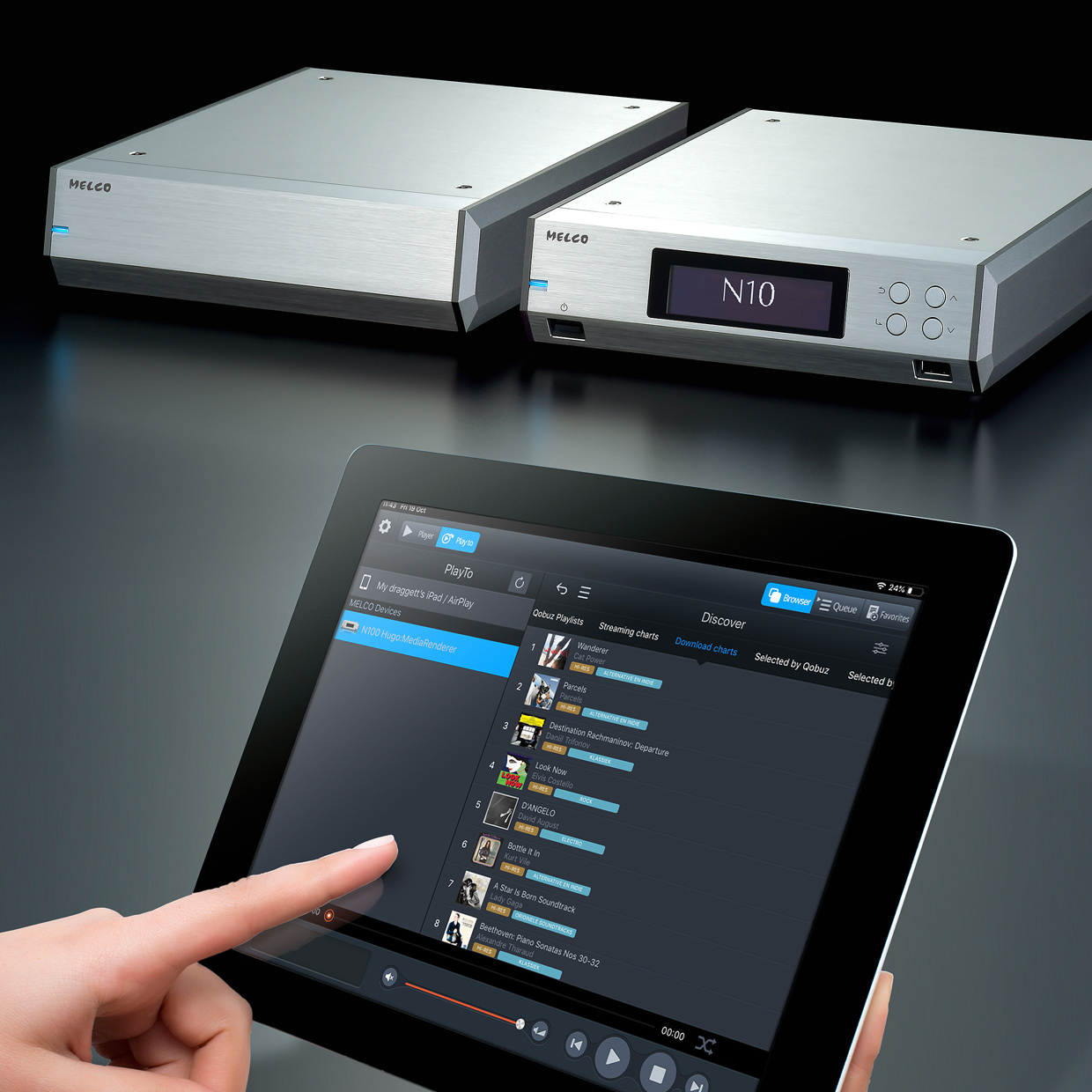
    The HiFi Collective has secured another award winning brand to add to their portfolio of premium audio manufacturers. Gareth from HiFi Collective said “We’re proud to welcome MELCO to our family of brands in Australia”. When asked about the Melco range of components he responded “MELCO specialises in audiophile-grade network music servers and accessories, perfectly complementing our existing brands and strengthening our position as a market leader in the digital streaming/audio/music space”.

    MELCO Audio joins the HiFi Collective.

    MELCO stands for Maki Engineering Laboratory Company, established in Japan in 1975 by Makoto Maki, an enthusiastic audiophile. MELCO’s early products set new standards in music reproduction. From those early beginnings the company developed into the largest computer peripherals manufacturer in Japan (Buffalo Inc). Along the way, Melco produced world leading NAS drives, Ethernet Switches and Routers, with a rigorous focus on Research & Development.
    Revived in 2014, the name MELCO is now synonymous with the highest of quality in audiophile digital source components. The MELCO range is made in the spirit of their much-revered early products, while incorporating their very latest software. This allows users to access, store and deliver Hi-Res Digital Music, without the compromises of computers and their peripherals. MELCO’s product lineup is highly appreciated by the worlds Hi-Fi press, capturing numerous awards in it’s relatively short history.

    MELCO Audio joins the HiFi Collective.

    Pricing for these “Hand-crafted in Japan” components starts at $1,995.00, and includes models up to $18,495.00. MELCO products will be available in Australia from February 2021. Check with HiFi Collective for their dealer list of home audio specialist retailers across Australia. These dealers are handpicked for their passion, technical expertise, and great customer service.

    HiFi Collective also imports and distributes a number of other interesting high quality brands in Australia. These include, Totem loudspeakers; Fyne loudspeakers; Auralic Streamers/DACs; and AVM audio components. Check their website here for a full listing of products handled and a dealer listing.

    A link to the Melco website is here.


    Click on any picture above and view the high resolution gallery images


  • Linn Sondek LP12 and Audio Technica VM530 – A great match?

    Linn Sondek LP12 and Audio Technica VM530 – A great match?

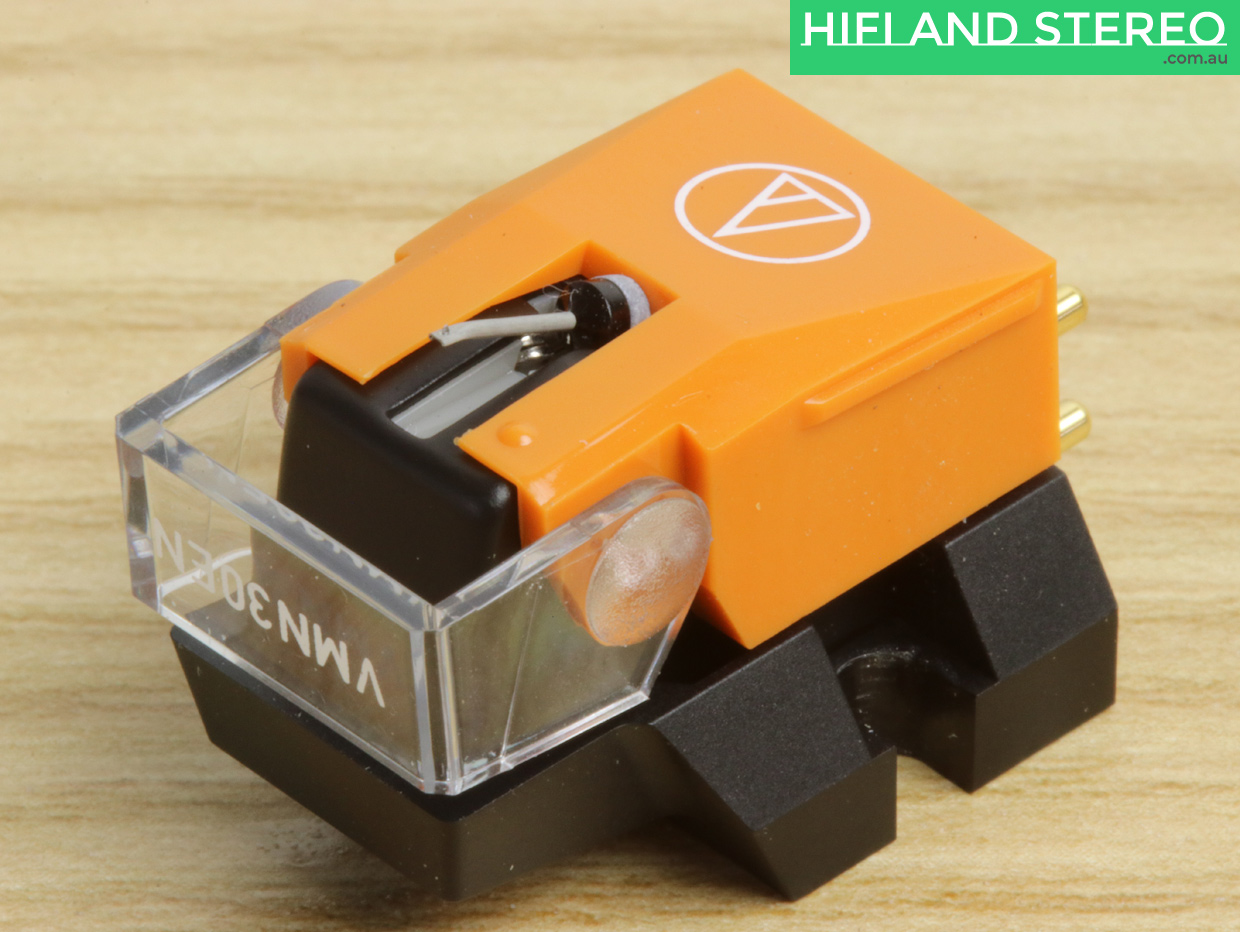
    As good as the Adikt cartridge from Linn is, I wanted more. Also, the Adikt on my LP12 had done some serious hours and I wanted to experiment. The VM530 from Audio Technica is a cartridge I am familiar with having fitted them to various turntables since it’s release a couple of years ago. I had not previously fitted this AT cartridge to a Linn LP12 and was keen to hear the outcome.

    VM530 Audio Technica cartridge mounted on a Linn LP12
    Mounting a VM series AT cart can be fiddly

    In Australia, the VM530 appears to be only sold attached to a standard fitment headshell. It has a slightly different model number when sold this way – VM530EN/H. For $399, you therefore end up with a headshell you don’t require when bolting it too a Linn Akito arm, or any arm with a non removeable headshell. This is perhaps a mild miss-judgement by the importers, as a premium cartridge such as the VM530 is generally going to be bolted to a premium quality arm (which generally has a fixed headshell). Being effectively bolted down into it’s box does make for a safer passage to the owner, I guess. Audio Technica have done a very nice job of the packaging overall.

    VM530 Audio Technica cartridge mounted in its packaging on a headhsell
    VM530 Audio Technica cartridge mounted in its packaging

    I unscrewed the new cart from what is actually a rather good quality headshell and attached it to my Linn Akito (original ‘version one’ arm as far as I can tell). I suggest, when fitting a VM500 series Audio Technica, that you remove the stylus from the cartridge body. I am not sure it is possible to easily mount the cartridge with the bolts facing down in the traditional way without a special tool. You will need something to grab the nuts mostly hidden in the boltway moulding of the cartridge body. I, as per the photos, faced the bolts up with the heads down and the threads proud of the top of the headshell, making it easy to grab the nuts with pliers.

    VM530 Audio Technica cartridge fitted to supplied headshell
    VM530 Audio Technica cartridge fitted to supplied headshell

    No matter which way you orientate the nuts and bolts though, removing the stylus makes the job way easier and safer for the stylus tip and cantilever. The stylus assembly pulls straight off ie. straight down if it is already mounted on an arm. Once the VM530 was carefully aligned, tracking weight set and the anti-skating force tweaked, it was time for an audition.

    VM530 Audio Technica cartridge playing a record
    VM530 Audio Technica cartridge doing what it does best!

    The sound?

    Immediately I was taken with the bass performance of the VM530. It was incredibly taught and had a real thwack about it. The midrange offered a surprising sweetness coupled with real detail. This extra detail, over and above a more average cartridge did not come at the cost of being bright or brittle sounding at all. Overall, I would suggest the VM530 is in fact, a quite neutral sounding gadget. It is maybe very slightly north of neutral, but wow, it’s pretty damned exciting to listen to (hence I can happily live with this slight colouration).

    A real lack of stress and strain was noted with complex pieces of music played back with this Audio Technica cartridge

    Difficult tracks that I sometimes don’t really want to listen to were reproduced with real control. As an example, Rickie Lee Jones’, ‘The Returns’ (from her Pirates album) delicate stereo imagery and fine details are beautifully played back. Even when things get heated, and the groove widens, the control remains. A real lack of stress and strain was noted with complex pieces of music played back with this Audio Technica cartridge. This improved clarity made tracks like the RLJ tune much more enjoyable to listen to. Interestingly, it is the last track on the album and inner groove distortion should be making things messier, but it didn’t seem to. Notch that up as potentially another positive for the AT 530. I also appreciated the lack of ‘HiFi sheen’ this cartridge offered. Even if it is very slightly brighter than truly neutral, it sounds incredibly ‘natural’ doing it.

    Sum up.

    I enjoyed this cartridge quite a bit more than the old Adikt it replaced. The Adikt though, was getting on in years so I am not sure what part this plays in the comparison. One thing is for sure, the VM530 is an exciting, clean and detailed sounding cartridge that I can highly recommend! It was obviously at home on the Linn LP12 and so as it turns out, they are a great match!. Happy listening.

    • For – Quite beautiful, exciting sound
    • For – Lacks almost any fake HiFi-sheen or colouration
    • For – Obviously high quality manufacturing
    • For – Made in Japan – If that is important to you.
    • For – Upgradeability to a VM540 Microline stylus is possible
    • For – Doesn’t make a mess of the last track or two (inner groove distortion)
    • Against – The VM500 series are not the easiest cartridge to fit
    • Against – Nothing else at all
    • Tracking weight used during this review – 2 grammes
    • Stylus tip shape/type – Nude Elliptical
    • Price – $399
    • Imported by – TAG
    • Tested with – Linn Sondek LP12Falcon LS3/5A – on SQ402 standsExposure 2510 integrated amplifier

    Who the hell is Audio Technica – Don’t they just make cheapy turntables?

    For anyone just getting into turntables and records, it is possible to believe just this – that AT mostly make record players that sell cheaply in mass merchants. This is a shame, as Audio Technica has a very long history of making very high quality transducers in Japan, primarily headphones, microphones and phono cartridges. A transducer is a device that converts one form of energy into another. A phono cartridge turns movement of its cantilever and accompanying magnets (by wobbling it around in a groove on a record) into an electrical waveform across its coils. Audio Technica have been doing this since the early 60’s, mostly in their own plant in Japan. It is only in quite recent times that they have offered a range of occasionally mediocre turntables to the market. These are generally made in China by sub-contracting manufacturers. Their phono cartridge range has always been made in-house, until the recently released VM95 range of entry level cartridges. All models above the VM95 range including the model from the VM500 range reviewed here are still manufactured in their own facility in Japan. The VM95 range is manufactured in China. I am not sure whether they have set up their own plant there or subcontracting them out. Either way the VM95 range appears well made and sounds very good too.